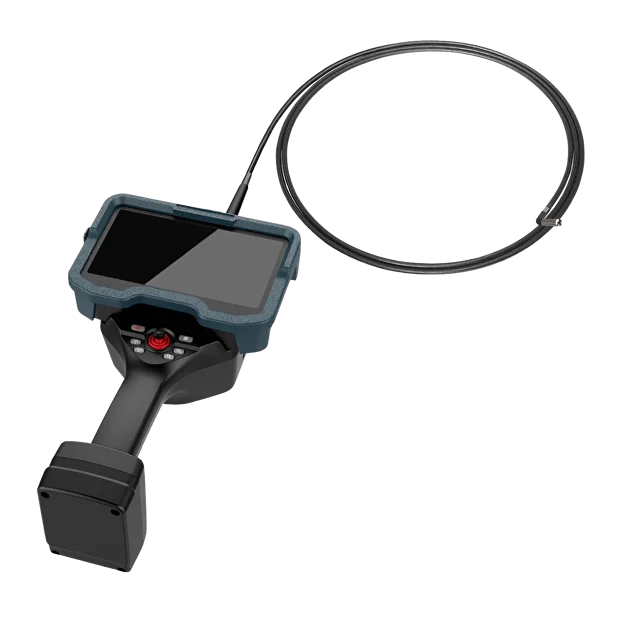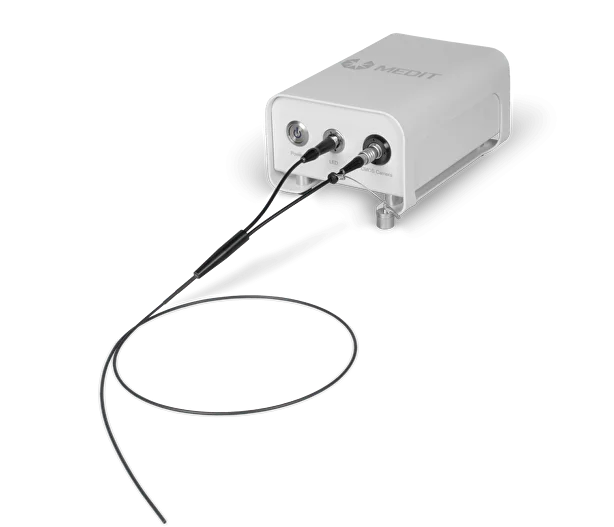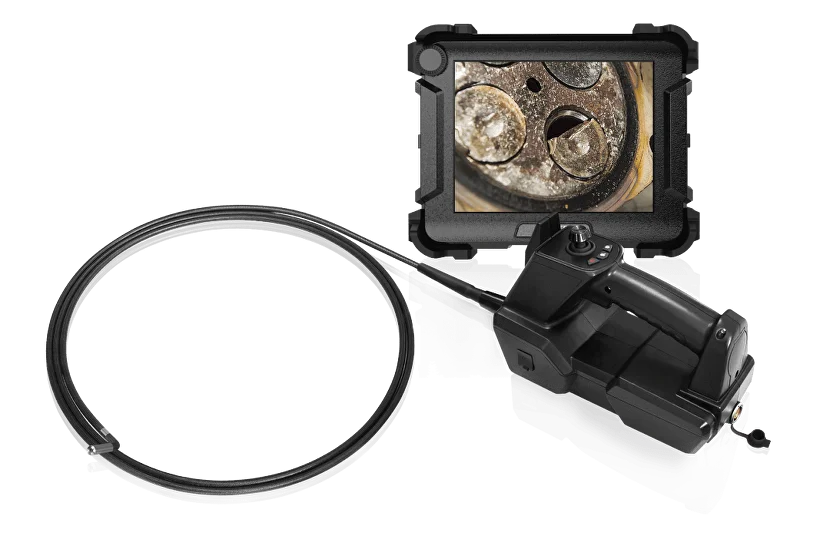
Power generation · turbine maintenance · remote visual inspection

Inspect turbine and generator internals before the next outage decision.

A video borescope gives maintenance teams a controlled view of accessible internal components, helping them document visible conditions before deciding on further testing, repair, or disassembly.

Gas and steam turbinesGenerator internalsInspection records
Turbine and generator inspection with a video borescope

Remote visual inspection

What a turbine borescope inspection can establish.

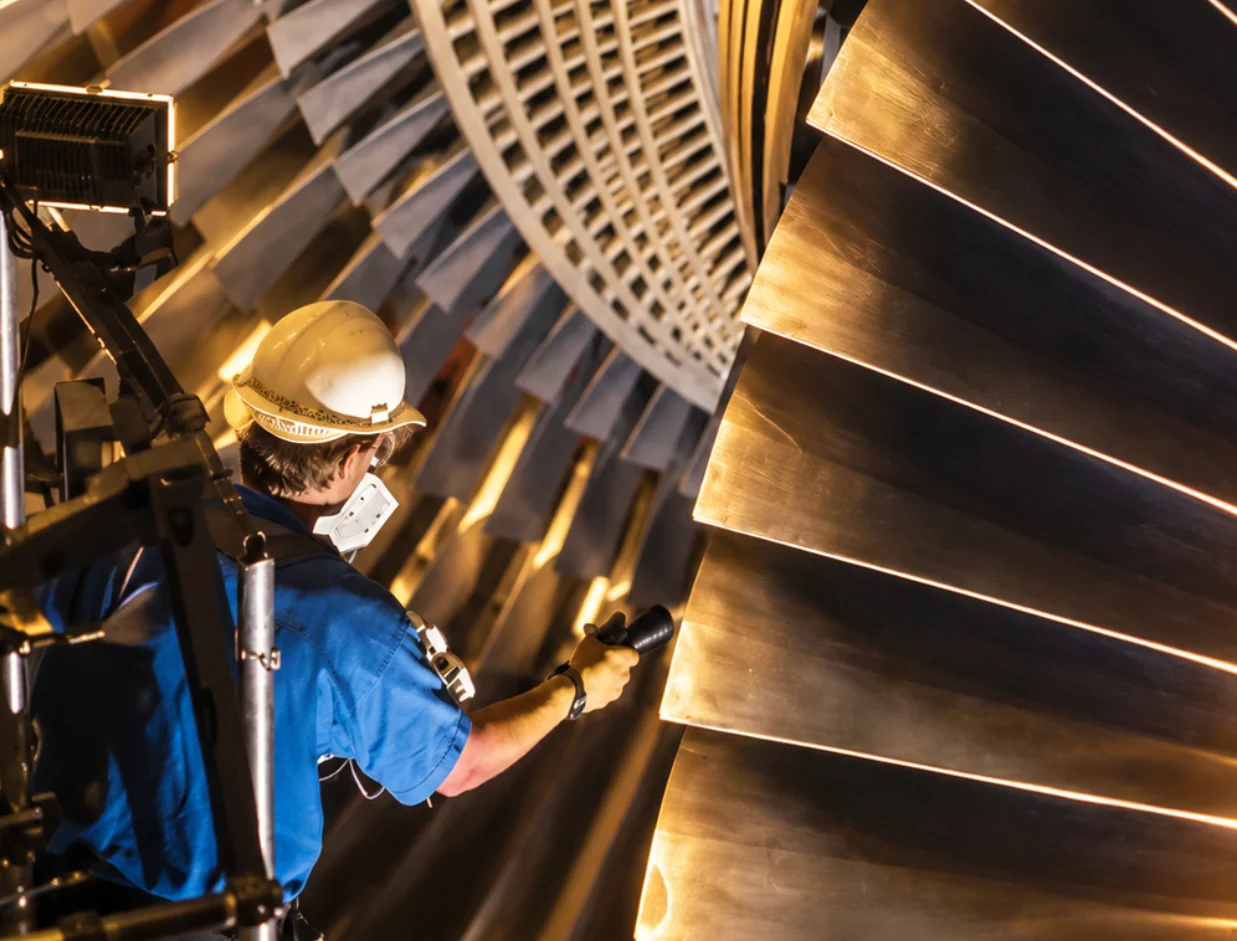
A turbine or generator borescope inspection is a non-destructive visual examination of accessible internal areas using a camera probe, suitable access point, and a repeatable inspection route.

Heat, pressure, vibration, contamination, and mechanical stress can gradually change critical components. Many of those surfaces are difficult to see without opening the machine. A video borescope can show visible conditions through an approved inspection port or other appropriate access route.

That view can help a team plan the next step. It does not replace an OEM procedure, engineering assessment, or another NDT method when the decision requires information beyond what can be seen.

Start with the target, not the camera. Confirm the approved access point, smallest clearance, distance to the target, viewing direction, temperature, and required inspection record before selecting a system.
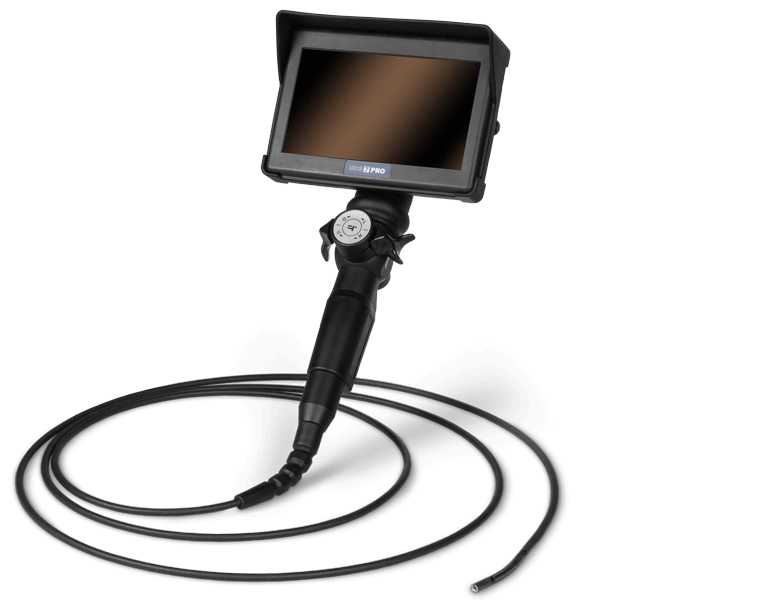
Visible conditions

What technicians may look for inside turbines and generators.

A videoscope is primarily a visual instrument. It can help document accessible, visible conditions that may warrant further investigation.

01 · SURFACE CHANGE

Cracks and coating damage

Look for visible cracking, coating deterioration, overheating marks, or surface irregularities on accessible components.

02 · FLOW PATH

Erosion and deposits

Examine blade edges, vanes, passages, and cooling areas for erosion, deposits, corrosion, or oxidation.

03 · CONTACT

Rubbing and impact

Document rubbing marks, dents, chipped edges, foreign-object damage, or loose material that is visible in the route.

04 · GENERATOR AREAS

Contamination and debris

Where safe access is available, inspect visible stator, rotor, winding, ventilation, and support areas for contamination or damage.

Turbine inspection with a video borescope

Gas, steam, and generator access

Different machines. The same access question.

The inspection starts by establishing what can be reached safely and what surface must be seen.

In gas turbines, accessible compressor stages, combustion sections, blades, and vanes may be examined for visible damage or deterioration. Steam-turbine routes may expose blades, vanes, or internal surfaces. Generator inspections may involve stators, rotors, windings, ventilation passages, and confined support spaces.

Access geometry determines whether a probe must be small, long, flexible, articulated, forward-viewing, side-viewing, or configured for a measurement workflow.

Selection criteria

Choose the videoscope for the real inspection route.

A camera that fits the port but cannot reach, turn, illuminate, or document the target will not complete the inspection.

01

Probe diameter

Match the probe to the narrowest approved clearance, not only the first opening.

02

Working length

Measure from the access point to the target while allowing enough probe for safe handling.

03

Articulation and view

Use the viewing direction and tip control needed to see blades, vanes, cavities, or surfaces outside the straight path.

04

Image and light

Adjustable illumination, image clarity, focus, and stable handling help keep reflective internal surfaces readable.

05

Recording and reporting

Confirm still-image, video, file export, annotation, and comparison requirements before purchase.

06

Measurement need

When an indication must be sized, select a compatible measurement system and follow its required procedure.

A practical inspection process

Use a repeatable route, not a random view.

Consistent procedure makes findings easier to locate, compare, share, and review at the next inspection.

01 · PLAN

Review the scope

Identify the components, stages, access point, known concerns, and previous records to be reviewed.

02 · PREPARE

Check the system

Confirm lens cleanliness, probe condition, illumination, articulation, and recording readiness.

03 · INSPECT

Advance carefully

Use the approved route, move methodically, and avoid forcing the probe against delicate surfaces.

04 · DOCUMENT

Capture context

Record an orientation view and a close view so the indication and its location can be understood later.

Suggested FIBERSCOPE systems

Match the inspection system to the access and evidence required.

These linked product families support different industrial remote visual inspection needs. Confirm the exact probe, temperature rating, configuration, and availability for the application.

Inspection evidence · click to enlarge

Make the image useful after the probe comes out.

The supplied examples show the value of saving visible evidence and identifying the system configuration behind it.

USB Micro Borescope | Suction Channel Inspection Footage
IRIS PRO Wind Turbine Gearbox Inspection

Condition-based maintenance

Use inspection records to see change over time.

A single image is a snapshot. Consistent images of the same location can support a better maintenance discussion at the next inspection.

When a visible condition is documented with its location, orientation, and surrounding geometry, technicians can compare it with later inspection records. Those records can complement vibration monitoring, temperature data, performance analysis, oil analysis, and other condition-monitoring methods.

The purpose is not to collect footage for its own sake. It is to turn an accessible visual observation into a useful maintenance record while being clear about what the image can—and cannot—establish.

Turbine and generator borescope FAQ

Questions maintenance teams ask before inspecting.

What is a turbine borescope used for?

It is used to visually inspect accessible internal turbine components without fully disassembling the machine. The inspection may cover compressor stages, combustion components, blades, vanes, and other difficult-to-reach areas.

Can a video borescope detect cracks in turbine blades?

A video borescope can reveal visible surface indications that may be cracks. Confirming their nature, extent, and engineering significance may require additional NDT methods or engineering evaluation.

Can a turbine be inspected without disassembly?

When the turbine has suitable approved access points, technicians can inspect reachable internal areas with a video borescope. The actual coverage depends on the machine design, access route, and inspection plan.

Can a borescope inspect a generator?

Yes. With safe, suitable access, small-diameter videoscopes can be used to visually examine generator stators, rotors, windings, ventilation areas, and other internal spaces.

What size borescope is used for turbine inspection?

There is no universal probe size. Choose the diameter from the access port, internal clearances, target, required image detail, probe length, and maneuverability needed for the route.

Can a videoscope measure a turbine defect?

Some industrial videoscopes offer measurement capability. Use measurement only with a compatible system, its specified procedure, and an operator trained to produce an appropriate result.

How often should a turbine be inspected with a borescope?

Inspection frequency should be determined by the turbine manufacturer, operating conditions, service history, duty cycle, maintenance program, and the facility's approved inspection plan.

FIBERSCOPE power-generation support

Choose the videoscope from the turbine, generator, and inspection objective.

Tell a FIBERSCOPE specialist about the approved access point, narrowest clearance, target component, working length, required view, environment, and documentation or measurement needs.