Oil & gas · pipelines · tanks · refineries · remote visual inspection

Oil and gas visual inspection cameras for hidden asset conditions.

Industrial borescopes, pipe cameras, pole cameras, and robotic crawlers give inspection teams a controlled view inside accessible infrastructure before they decide on disassembly, entry, cleaning, repair, or additional testing.

Pipeline inspectionTank and vessel accessHazardous-area selection
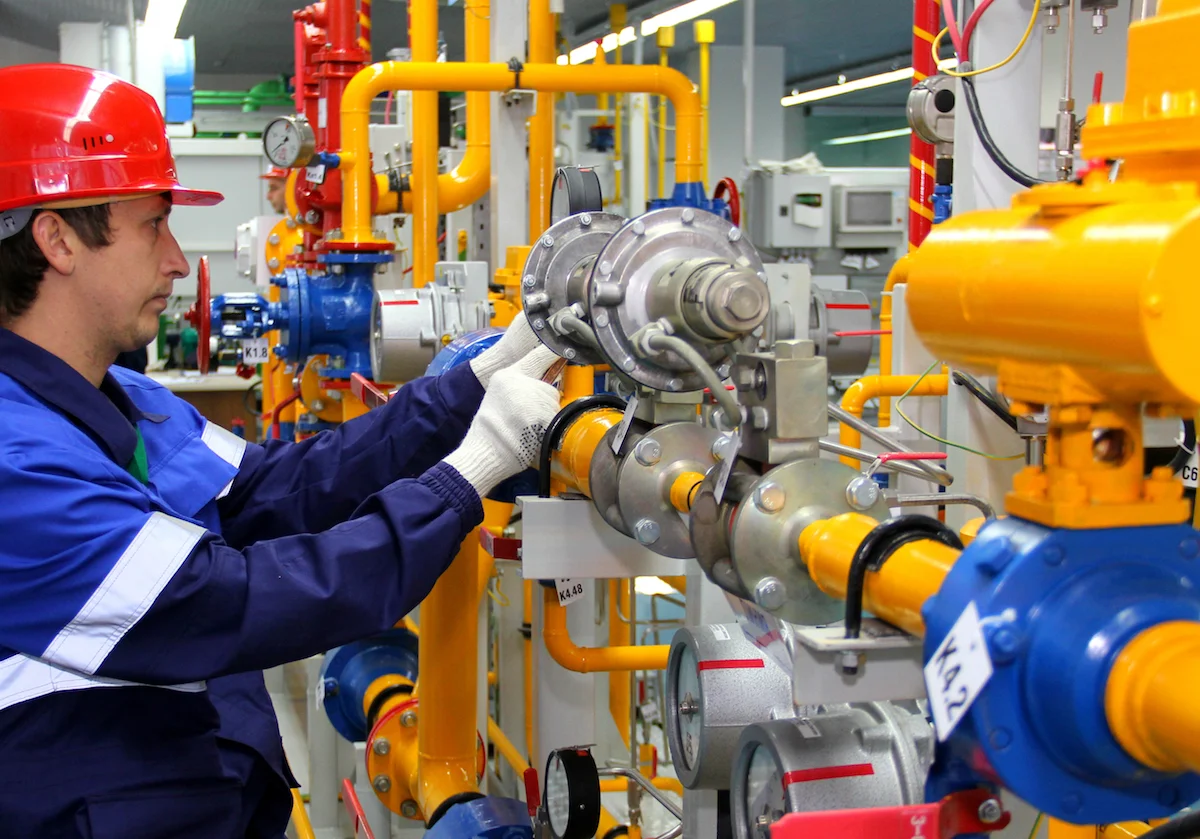
Natural gas facility maintenance and visual inspection

Inspection starts where direct access stops

See the internal condition before opening the system.

Oil and gas facilities contain pipelines, tanks, pressure vessels, fuel systems, meter runs, process lines, wells, and confined spaces that can be difficult, costly, or unsafe to access directly.

Remote visual inspection cameras let qualified teams examine accessible internal surfaces without unnecessary disassembly. They can document visible corrosion, cracks, weld conditions, deposits, blockages, loose components, holes, coating damage, and wear that cannot be evaluated from outside the asset.

The result is not a final diagnosis. It is useful visual evidence for deciding whether equipment can remain in service, needs cleaning or repair, or requires another nondestructive testing method.

Start with the asset and the access route. Define the opening, diameter, distance, bends, viewing direction, site classification, environmental exposure, and reporting requirement before choosing a camera.
What are oil and gas inspection cameras?

Different routes require different inspection systems.

Oil and gas visual inspection cameras are remote imaging tools used to examine the interior or difficult-to-access parts of pipelines, tanks, refineries, petrochemical plants, fuel systems, offshore installations, and other energy infrastructure.

01 · SMALL ACCESS

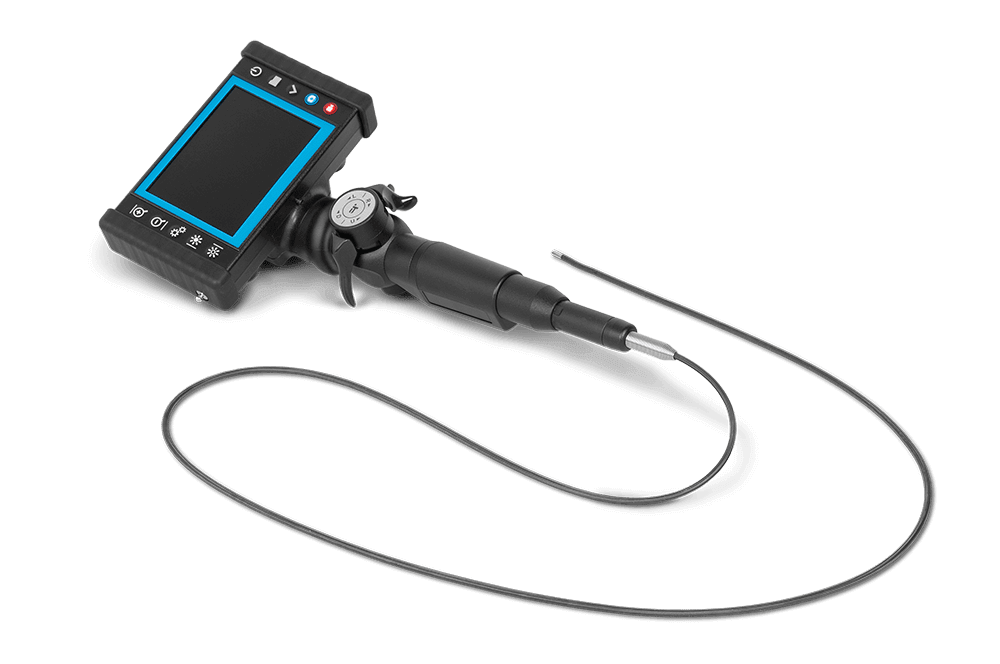
Borescopes and videoscopes

Use a thin, flexible probe for accessible valves, meter tubes, weld areas, turbines, heat exchangers, tanks, and enclosed components.

Narrow channelsDetailed internal view
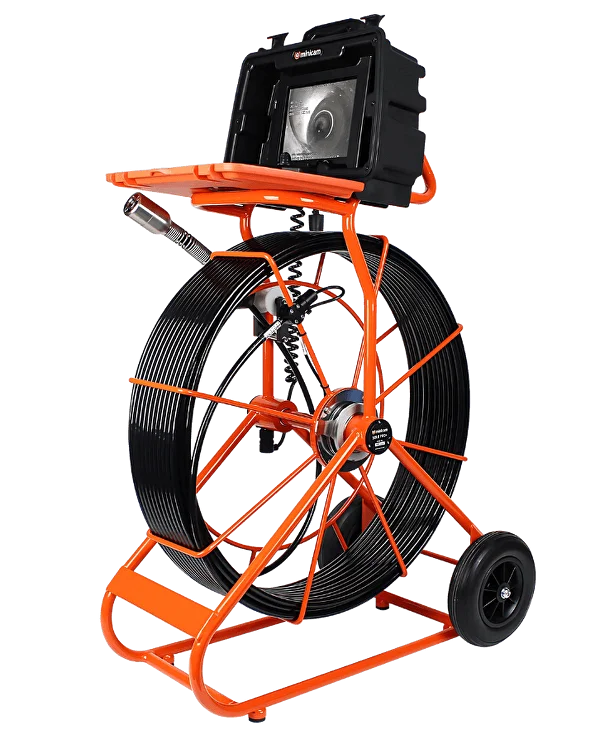
02 · PUSH-ROD SYSTEMS

Push-rod pipe cameras

Use a semi-rigid push cable or reel where the route extends beyond borescope reach but the camera can still be advanced manually.

Medium distanceManual feed
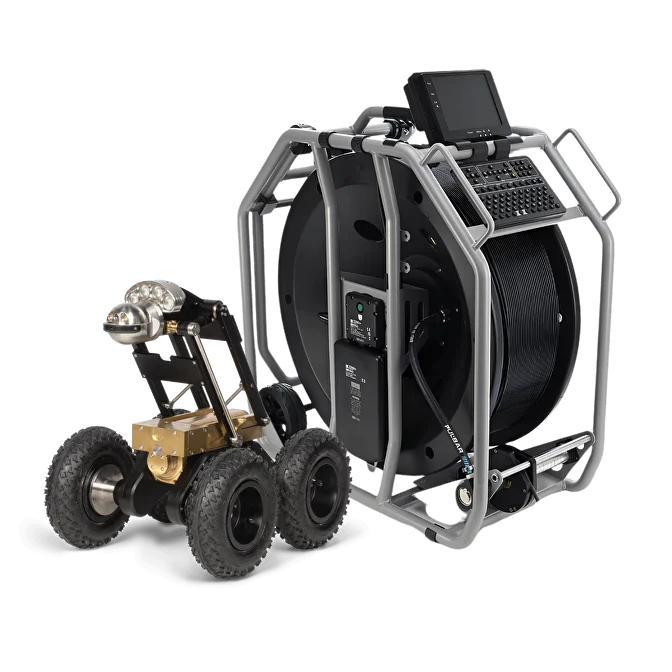
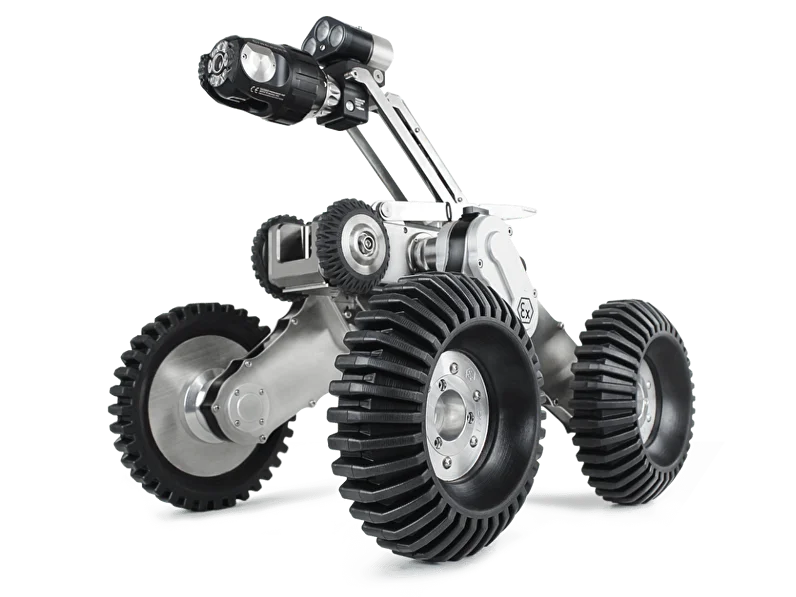
03 · LONG DISTANCES

Robotic pipe crawlers

Use self-propelled, controlled travel for longer runs and larger diameters that require stable video, strong lighting, location data, and detailed surveys.

Robotic travelLocation data
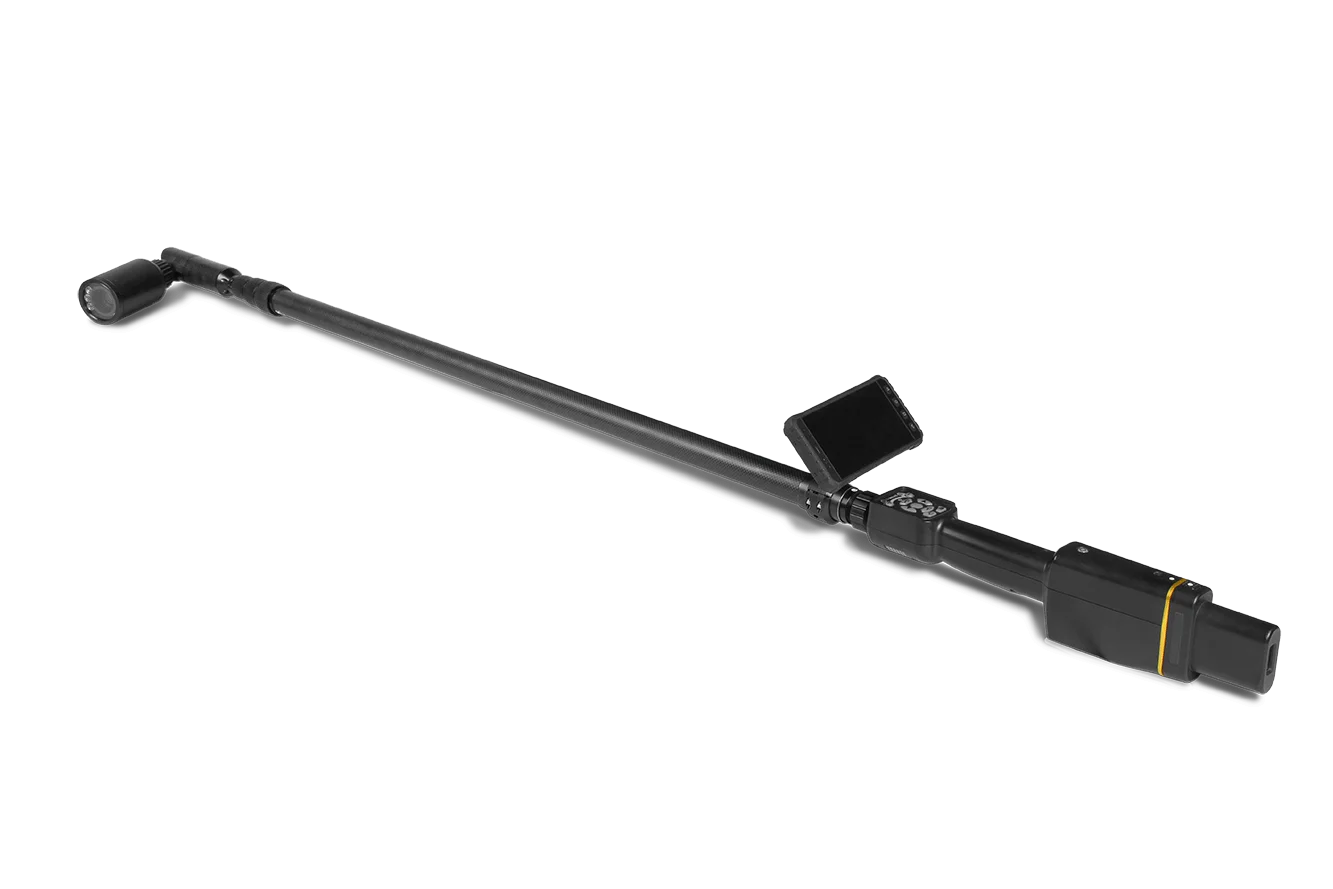
04 · STAND-OFF VIEW

Pole-mounted cameras

Use an extended pole and zoom capability to inspect elevated, deep, or confined areas from outside when direct entry is undesirable.

Zoom viewingNo direct entry
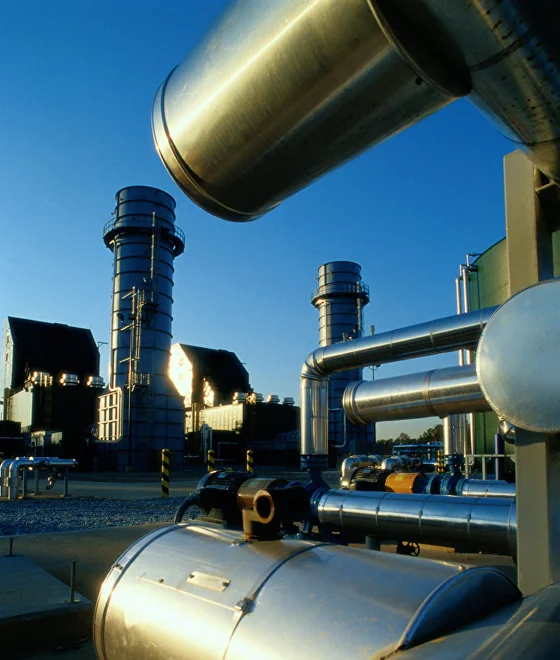
Oil and gas processing facility

Why visual inspection matters

Heat, pressure, chemicals, and debris change what is happening inside.

Internal corrosion, weld defects, cracking, sludge, scale, damaged coatings, blockages, loose parts, and wear can develop where outside inspection cannot show them.

Remote imaging helps maintenance managers, asset-integrity teams, NDT specialists, and inspection contractors document the visible condition and define a more focused next step.

That evidence can support troubleshooting, maintenance planning, repair scoping, comparison over time, and safer work preparation—without presenting the camera as a substitute for other required inspection methods.

Access-route selector

Choose the method from the route you need to inspect.

Select the condition that best describes the job. The result is a starting point; final equipment approval depends on the asset, environment, and site procedure.

01

Small opening · internal route

Start with a borescope or videoscope.

A small probe can enter accessible valves, meter runs, tanks, weld areas, turbines, heat exchangers, and enclosed components. Confirm the narrowest clearance and the bends along the complete route.

Confirm first
Access size, route geometry, working length, and view direction
Then specify
Probe diameter, articulation, illumination, recording, and environment

Small opening selected.

Hazardous-location work

Match the exact certification to the site classification.

A product described as explosion-proof, ATEX-rated, or IECEx-certified is not automatically suitable for every hazardous area. Confirm the precise marking and approved configuration before use.

Confirm the environment

  • Hazardous-area class, division, or zone
  • Gas, vapor, liquid, or other substance risk
  • Temperature, pressure, moisture, and chemical exposure
  • Local regulations and the site’s safety procedure

Confirm the complete system

  • The certification required: ATEX, IECEx, UL Class/Division, or another standard
  • Camera head, cable, reel, controller, and accessories included in the approved configuration
  • Working length, camera diameter, and route compatibility
  • Photo, video, measurement, location, and reporting requirements
The application determines the camera. Equipment suitable for a non-hazardous utility pipe may not be approved for a tank farm, refinery, gas-processing facility, or other classified location.

Common applications

Remote visual inspection across the asset lifecycle.

01 · PIPELINES

Inspect internal surfaces and joints

Document accessible welds, corrosion, scale, debris, blockages, and structural conditions during planned maintenance, commissioning, or post-repair checks.

02 · REFINERIES

Reduce unnecessary disassembly

Examine accessible tanks, pumps, valves, pressure vessels, heat exchangers, and process lines before opening more equipment.

03 · TANKS & VESSELS

Record visible internal conditions

Look for corrosion, sediment, coating damage, foreign objects, and other visible issues from an approved access point.

04 · METER RUNS & VALVES

Target a small internal route

Use a suitable borescope to inspect meter tubes, orifice plates, valve interiors, and related components without complete disassembly where procedures permit.

05 · CONFINED AREAS

Plan before entry

Use remote viewing to understand accessible internal conditions before determining whether direct entry or another inspection method is required.

06 · WELLS & DOWNHOLE

Specify for depth and environment

Choose a purpose-built system when depth, lighting, pressure, cable handling, and rugged construction are part of the inspection route.

Selection criteria

Image quality is only one part of the specification.

The camera must fit the route, produce useful evidence, and meet the environmental and safety requirements of the job.

01 · SAFETY

Required rating

Confirm the site classification and exact certification before comparing features.

02 · ACCESS

Diameter and clearance

Measure the narrowest opening and any restrictions along the route.

03 · DISTANCE

Working length

Specify the length or crawler cable needed to reach the target with controlled handling.

04 · IMAGE

Light and video

Evaluate illumination, field of view, focus, stability, capture, and recording.

05 · CONTROL

Articulation or pan/tilt

Decide whether the operator must steer around bends or inspect sidewalls.

06 · DURABILITY

Field environment

Check ingress protection, chemical exposure, temperature, construction, and service limits.

07 · RECORDS

Documentation

Define image, video, annotation, distance, measurement, and report requirements.

08 · SUPPORT

Configuration and rental

Use application guidance to decide whether a standard purchase, configured system, or rental fits the project.

Suggested FIBERSCOPE systems

Match the equipment to access, distance, and site classification.

These product families solve different inspection problems. Confirm the current configuration, availability, and certification required for the application.

Inspection videos

See two camera formats in operation.

The demonstrations show how stand-off viewing and robotic pipe travel address different access problems.

Pole Mounted HD Zoom Camera CYCLOPS | Intro
TROGLOTREK Pipe Crawler Inspecting Oil Pipeline

Maintenance planning

Use the view to define the next action.

Instead of opening equipment without knowing the internal condition, a team can inspect an accessible route, record the visible issue, and plan the repair or next test with more specific information.

Remote visual inspection can support faster troubleshooting, better maintenance planning, less unnecessary disassembly, clearer repair scopes, improved records, safer work preparation, and earlier identification of visible developing conditions.

It does not establish material properties or replace required NDT. Its value is a direct visual record that helps the team decide what should happen next.

FIBERSCOPE application support. Share the asset, smallest access point, inspection distance, route geometry, hazardous-area classification, environment, and documentation requirements to narrow the equipment options.
Quick answer

What is the best camera for oil and gas inspection?
The best camera depends on the asset, access route, distance, environment, and safety classification. Use a borescope for a small opening, a push camera for an accessible pipe route, a crawler for a long or larger-diameter pipeline, and a pole camera for stand-off viewing. In a classified area, use only a complete system whose current certification matches the site requirements.

Oil and gas inspection camera FAQ

Questions to answer before selecting equipment.

What are oil and gas visual inspection cameras used for?

They are used to inspect accessible internal or hard-to-reach areas in pipelines, tanks, valves, welds, refineries, pressure vessels, fuel systems, meter runs, and confined spaces. They help teams document visible corrosion, cracks, deposits, blockages, loose parts, coating damage, wear, and other internal conditions.

When should I use an explosion-proof borescope?

Use a suitably certified borescope when the inspection route is small and the site’s hazardous-area assessment requires that equipment classification. Confirm that the exact camera configuration and certification match the class, division, or zone before use.

What is the difference between a pipe camera and a pipe crawler?

A pipe camera is normally advanced manually with a push rod or reel. A pipe crawler is a robotic system that moves through the pipe and can provide controlled travel, stronger lighting, camera positioning, longer inspection distances, and expanded reporting options, depending on the model.

Are ATEX-rated cameras always required for oil and gas inspections?

No. The requirement depends on the site classification, local regulations, approved safety procedure, and the equipment used. Where an explosive atmosphere may be present, verify whether ATEX, IECEx, UL Class/Division, or another specific approval is required.

Can remote visual inspection reduce shutdown time?

It can help teams locate visible conditions, avoid some unnecessary disassembly, and prepare a more focused repair scope. Actual time savings depend on the asset, access, inspection procedure, and findings.

Can one camera cover every oil and gas application?

No. A small tank opening may need a videoscope, a pushable pipe route may need a pipe camera, a long pipeline may need a crawler, and a classified area may require a specially certified system.

What should I check before purchasing an inspection camera?

Check the required safety rating, access size, route geometry, working length, image and lighting needs, articulation or camera control, environmental limits, recording and reporting features, service support, and any certification required for the complete system.

FIBERSCOPE oil and gas inspection support

Choose the camera from the asset, route, and environment.

Tell a FIBERSCOPE specialist what must be inspected, the smallest access point, required distance, pipe diameter, bends, viewing direction, site classification, and documentation needs.