Firearm condition · hidden surfaces · visual evidence

Borescope for rifle and shotgun barrel inspections: see the bore before you guess.

A firearm can look well cared for on the outside while fouling, corrosion, or wear remains hidden inside the barrel. A correctly selected borescope lets you examine what is visible before deciding what to do next.

Rifle & shotgun inspection guideRigid and video borescopesDocument the finding
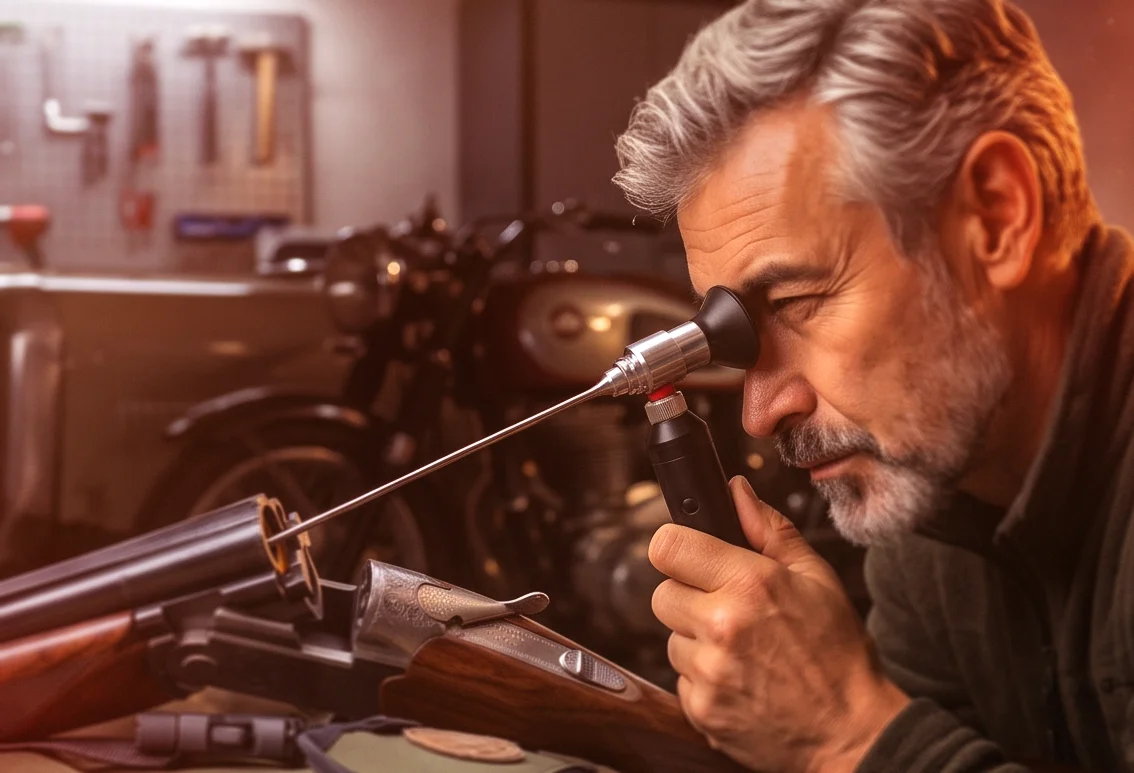
Rifle borescope inspection

The hidden condition

Cleaning is not the same as knowing.

The most important surface to evaluate may be the hardest one to see: the inside of the barrel.

A light at the muzzle or chamber can offer a quick check, but a long, narrow, reflective bore makes small areas of fouling, corrosion, pitting, or wear easy to miss. That uncertainty matters when evaluating a used firearm, checking the result of cleaning, or explaining a maintenance recommendation.

A rifle or shotgun borescope brings the visible condition into view. It helps owners, collectors, gunsmiths, and armorers replace an assumption with a closer inspection. It does not determine mechanical safety or replace a qualified professional's assessment.

Safety first. Before handling or inspecting a firearm, keep the muzzle pointed in a safe direction, keep your finger off the trigger, and confirm the firearm is unloaded. See Project ChildSafe's firearm-safety guidance.
Why a closer view matters

What a quick visual check can miss.

Reflections and limited sightlines can hide details that become more apparent when the viewing tip is near the surface.

01

Residual fouling

Check whether visible deposits remain after cleaning.

02

Corrosion and pitting

Document areas that need closer professional evaluation.

03

Visible wear

Examine accessible bore surfaces before choosing the next step.

04

Barrel irregularities

Record unusual visible marks or surface defects.

05

Hard-to-see spaces

Look into suitable recesses or other accessible internal areas.

06

Before-and-after evidence

Compare documented views from an inspection or service workflow.

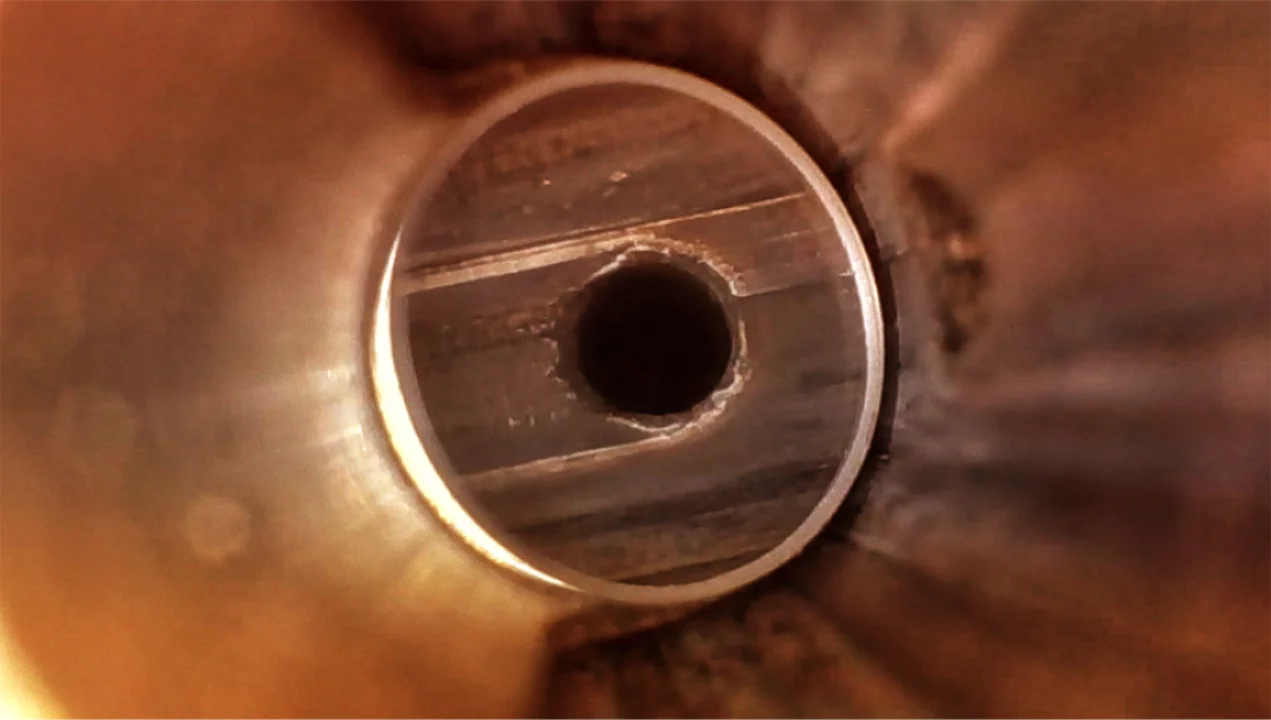
Close-up view during a rifle bore inspection
The image is evidence, not a verdict.

A borescope shows visible condition at a particular point and viewing angle. A qualified gunsmith or armorer should interpret any concerning finding in context.

Who uses the evidence

Different users, one hidden surface.

The value of the view changes with the decision it supports.

01 · OWNERS

Check cleaning results

See whether visible deposits remain and decide if further attention is needed.

02 · COLLECTORS

Assess a used firearm

Document visible bore condition rather than relying only on exterior appearance.

03 · GUNSMITHS

Explain a service recommendation

Use a clear image to support a conversation about observed condition.

04 · ARMORERS

Maintain inspection records

Capture repeatable visual evidence when the selected system supports recording.

Choose the viewing method

Rigid borescope or videoscope?

Start with the surface you need to see and whether the result must be saved or shared.

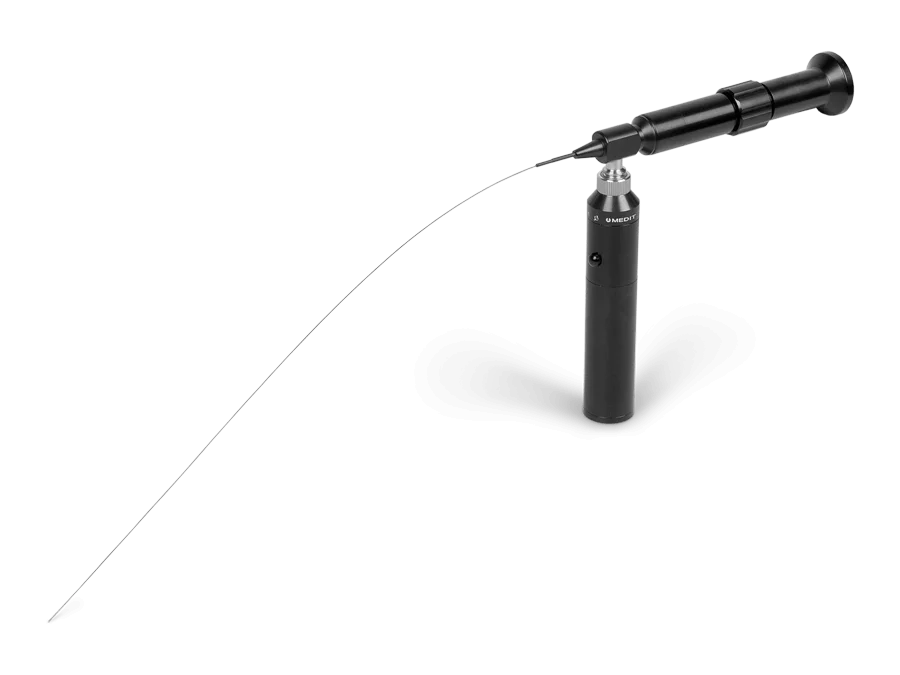
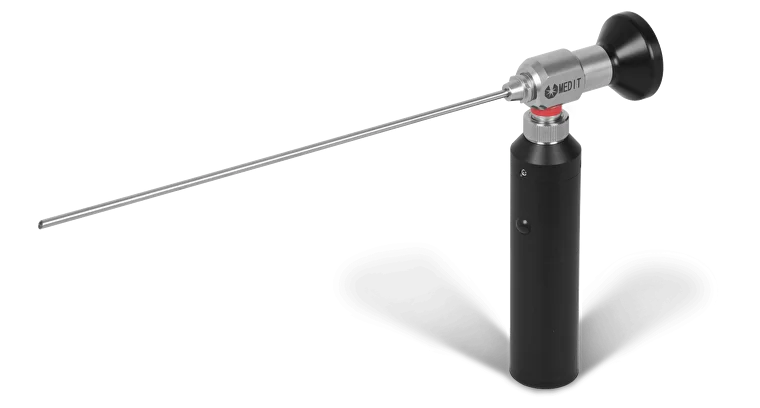
Rigid optical borescope

A practical fit for a straight inspection route and direct optical viewing. FIBERSCOPE offers fixed direction-of-view lenses, including side-view configurations that can reduce flare compared with mirror-tip attachments.

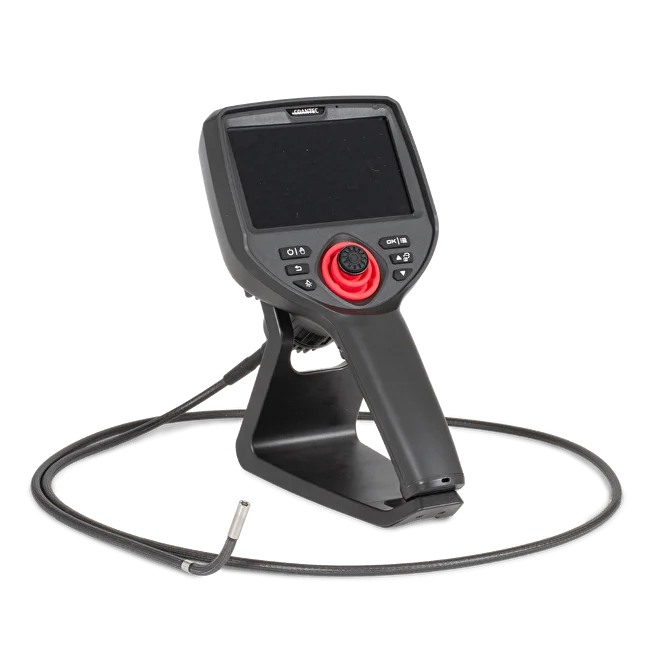
Videoscope or camera-equipped system

A live display and, on suitable models, image or video capture help when the finding must be shown to a customer, shared with a team, or retained for records.

The choice is not optical quality versus convenience alone. Bore diameter, working length, viewing direction, lighting, and documentation needs all affect whether the instrument can complete the inspection.

Suggested products

Inspection systems to compare.

These are the product families linked from FIBERSCOPE's firearm-inspection page. Confirm the current model and configuration for your bore and reporting needs.

Fit before features

What to confirm before choosing a scope.

A camera that cannot enter the bore or face the relevant surface cannot answer the inspection question.

01

Bore diameter

Confirm the exact probe diameter and clearance for the firearm being inspected.

02

Working length

Match the insertion length to the barrel and the target location.

03

Viewing direction

Determine whether forward, angled, or side viewing is needed.

04

Image clarity

Check illumination, focus, and detail on a comparable inspection target.

05

Documentation

Specify live view only, photographs, video, or a repeatable record.

06

Workflow

Consider how often the system will be used and who must review the result.

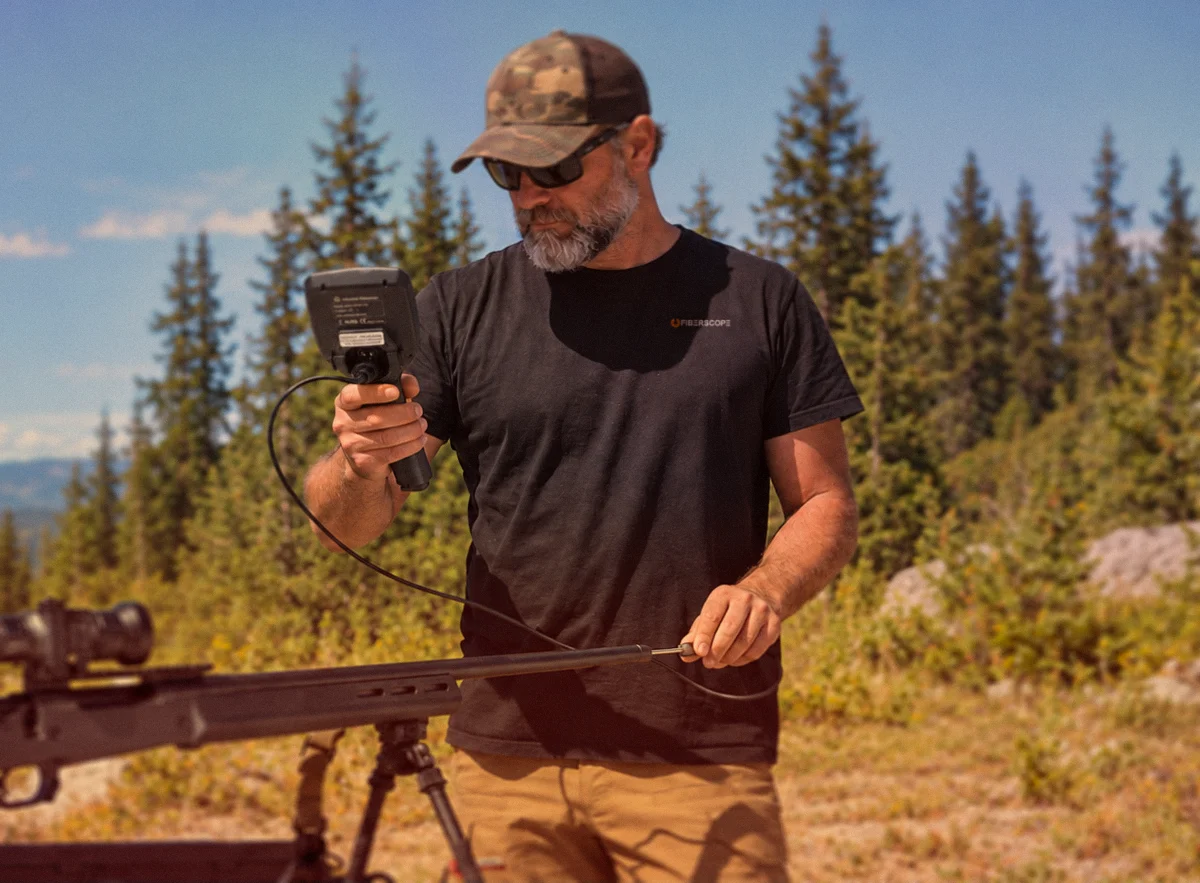
Shotgun borescope inspection
Measure first. Choose second.

FIBERSCOPE's rigid borescope range includes 2.7 mm probes and multiple directions of view. Availability and dimensions depend on the exact configuration; confirm them before purchase.

Send request

Used firearm evaluation

The outside cannot tell the whole story.

A clean stock and finish do not establish the condition of the bore.

For a used rifle or shotgun, a borescope can reveal visible fouling, corrosion, pitting, wear, or other surface concerns that warrant further evaluation. That creates a more informed discussion than seller claims or a quick light check alone.

The view should be recorded with its location and orientation. If a finding could affect value, service, or use, have it assessed by a qualified professional rather than drawing a conclusion from one frame.

Gunsmith and armorer workflow

Show the finding. Keep the context.

Image capture can make an otherwise invisible condition easier to discuss and revisit.

01

Before service

Record the location and visible condition at the inspection point.

02

During evaluation

Use the view to support, not replace, the technician's judgment.

03

After service

Capture a comparable view when the system and process allow it.

Keep context with every image. Note the firearm or assembly, bore location, viewing direction, and inspection date so a close-up can be understood later.

Inspection evidence

See what the camera records.

Sample images show the value of a close view; the two videos below demonstrate inspection equipment in use.

Inspection images · click to enlarge

Rigid Borescope Spring Section Snapshot

Probe Ø from 2.7 mm (0.1 in) and up; working length up to 600 mm (23.6 in); direction of view: 0°, 30°, 70°, 90° or 110°.

VOYAGER C40 Borescope Snapshot

Legacy C40 configurations: working length up to 7 m (22.9 ft), probe Ø 1–6 mm (0.039–0.23 in), with 360° articulation on supported probes.

IRIS DVRx Videoscope Snapshot

Legacy DVRx configuration: durable tungsten-braided probe, 3–8 mm (0.118–0.314 in) diameter, with a high-resolution camera in a short rigid distal end.

Snapshot specifications describe earlier configurations shown here; confirm current model specifications before ordering.

Inspection videos

USB Camera with Rigid Borescope | Metal Casting Inspection

IRIS DVRx Videoscope 4mm | Video Capture Sample

The buying decision

Choose for the bore and the decision.

The useful system is the one that fits the access point, reaches the target, and provides the evidence you need.

A general-purpose low-cost camera may be adequate for a simple view, but small diameter, precise viewing direction, clear lighting, and documentation can be decisive in barrel inspection. An unclear image or an oversized probe fails the task regardless of the feature list.

Start by stating the firearm type, minimum bore diameter, barrel length, intended viewing direction, and whether the result needs to be displayed or recorded. Then compare a rigid optical borescope, camera-equipped rigid system, videoscope, or micro borescope against those requirements.

Useful question for a specialist: What must the tip fit through, what surface must it show, and who needs to see the result?

FAQ · Rifle and shotgun borescopes

Questions before choosing.

What can a bore inspection camera show?

It can show visible fouling, corrosion, pitting, wear, or irregularities within the reachable view. The image needs context and may require professional interpretation.

Is a rigid borescope or videoscope better for barrel inspection?

A rigid optical scope can suit a straight path and direct viewing. A videoscope or camera-equipped system is useful when findings need to be displayed, photographed, recorded, or shared. Fit and viewing direction still come first.

What size borescope do I need?

Measure the minimum opening and confirm the probe's actual diameter, working length, and direction of view for the specific firearm and instrument. Do not choose from a product-family range alone.

Does a borescope certify that a firearm is safe to use?

No. It provides visual evidence of reachable surfaces. A qualified gunsmith or armorer should assess any condition that may affect safe operation.

FIBERSCOPE inspection support

See the bore before you decide.

Tell a FIBERSCOPE specialist what firearm or assembly you inspect, the minimum bore diameter, barrel length, desired viewing direction, and whether you need photos or video. They can help compare suitable configurations.