Aircraft maintenance · internal access · visual evidence

Aviation borescopes and videoscopes.

See internal aircraft components through the available access point, record what is visible, and make the next maintenance decision with clearer evidence.

Aviation inspection guideEngine and rotorcraft workRemote visual inspection
Aviation inspection

The hidden access problem

The important condition is often out of sight.

Aircraft maintenance has a visibility problem.

Signs of wear, damage, contamination, cracking, corrosion, burning, or foreign object debris can be hidden deep inside an aircraft rather than visible from its exterior.

They may be inside turbine engines and combustion chambers, around compressor blades, behind access points, or within gearboxes, hydraulic systems, wings, foils, and narrow internal passages. When a technician cannot see the condition clearly, the team may face unnecessary disassembly or a decision made with incomplete visual evidence.

Professional aviation borescopes and videoscopes give maintenance teams a route to those internal areas. The goal is to reach the component, capture a usable view, and document what was found before deciding whether more evaluation, cleaning, monitoring, or repair is needed.
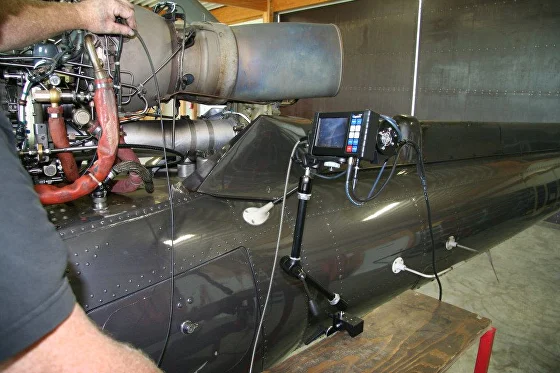
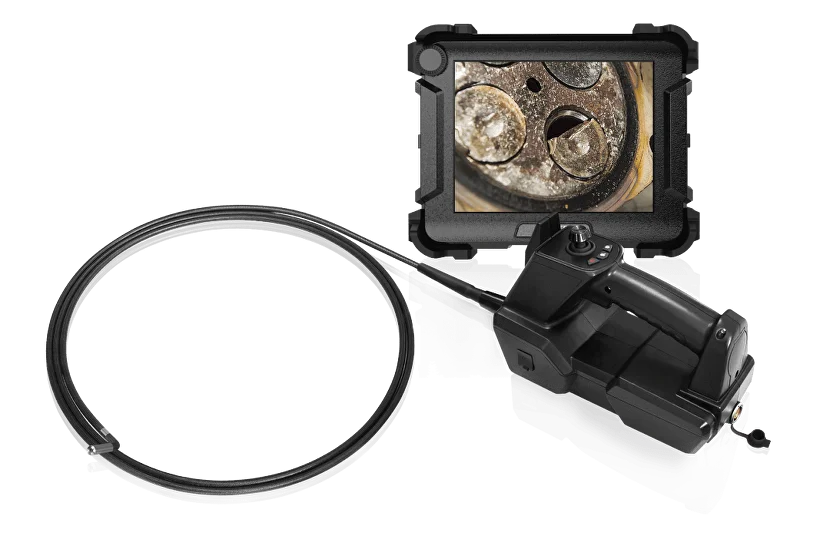
The real challenge is access. Match the probe and viewing control to the aircraft's inspection port and the surface that needs to be seen.

Start with the inspection task

Small access portConfirm probe diameter before comparing features.
Angled routeCheck whether articulation can put the target surface in view.
Evidence to shareChoose image and video capture when findings must be reviewed or recorded.
Fuel, oil, or heatVerify the selected probe's materials, limits, and approvals for that environment.

Why a specialized scope

Aircraft access asks more of the instrument.

Inspection openings can be small, narrow, angled, or difficult to navigate. A standard camera may not fit, reach the target, or show enough detail for the task.

Depending on the model, a professional aviation videoscope may offer a narrow insertion probe, controlled lighting, four-way tip articulation, image and video recording, or a choice of probe lengths and diameters. Micro borescopes can serve very small passages. A system with a working channel and compatible retrieval accessories may help remove a small foreign object in a suitable application.

Those capabilities are model-specific. Select the instrument for the aircraft, the access point, the inspection environment, and the evidence the procedure requires.

Inspection areas

Where can an aviation borescope look?

Remote visual inspection is useful when direct sight is limited and an approved access route is available.

01

Turbine engines

Inspect accessible internal engine areas through the applicable ports.

02

Combustion chambers

Document visible surface condition, deposits, or damage indications.

03

Compressors and blades

View accessible low- and high-pressure stages and blade surfaces.

04

Helicopter systems

Reach inspection points within rotorcraft engines and other assemblies.

05

Gearboxes

Look into accessible internal cavities and mechanical components.

06

Hydraulic systems

Inspect suitable passages and internal areas when the procedure permits.

07

Wings and structures

Document visible conditions within accessible enclosed spaces.

08

Narrow passages

Use a suitably sized probe for small bores, cavities, and access routes.

When a basic scope is not enough

The inspection has to prove something useful.

A low-cost camera can be adequate for a simple visual check. Aviation work may require better access control, evidence quality, and durability.

01

Probe diameter

If the probe is too large, it cannot pass through the inspection port.

02

Working length

The tip must reach the component while the operator maintains control.

03

Articulation

A fixed forward view may miss the surface that the procedure calls for.

04

Image and lighting

The view must show enough usable detail under the conditions inside the assembly.

05

Recording

Capture still images or video when findings must be reviewed and shared.

06

Environment

Check heat, liquid, chemical, and any hazardous-location requirements against the exact system.

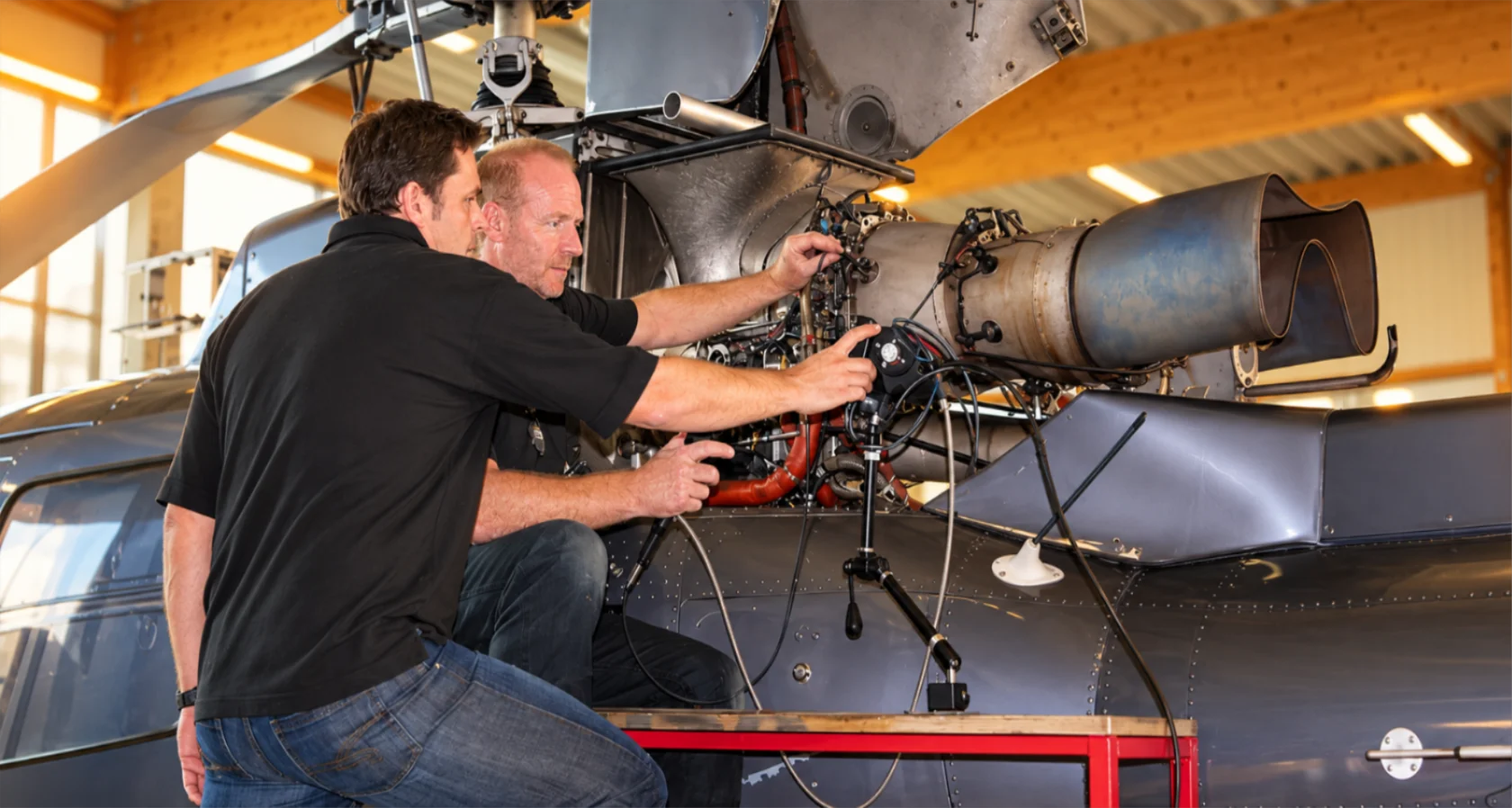
Helicopter borescope inspection
Inspect the target, not just the opening.

The right probe path and tip control can make the difference between seeing a component and documenting the surface the maintenance task actually concerns.

Who uses the evidence

Visual proof without unnecessary teardown.

Aviation borescopes can support teams that need to inspect internal components and communicate what they found.

Aircraft maintenance

Technicians and repair stations investigating visible condition before deciding on the next approved maintenance step.

Helicopter and fleet teams

Crews comparing recurring observations, documenting inspections, and planning further work.

Quality and inspection

NDT, quality control, and aircraft evaluation teams needing a record that can be reviewed by others.

Questions the image can help answer: Is visible damage, wear, burning, corrosion, debris, or contamination present? Where is it? What additional evaluation or maintenance action is required under the applicable procedure?

Why recording matters

The inspection continues after the live view.

A finding may need to be saved, reviewed, shared, compared, or attached to a maintenance record.

Image and video capture can support communication between technicians, supervisors, customers, and quality teams. Recording also helps when the same area must be revisited over time. Rather than relying only on memory or written notes, the team has visual evidence associated with the inspection point.

For the record to remain useful, capture location, orientation, component, and the relevant inspection context along with the image.

Inspection images

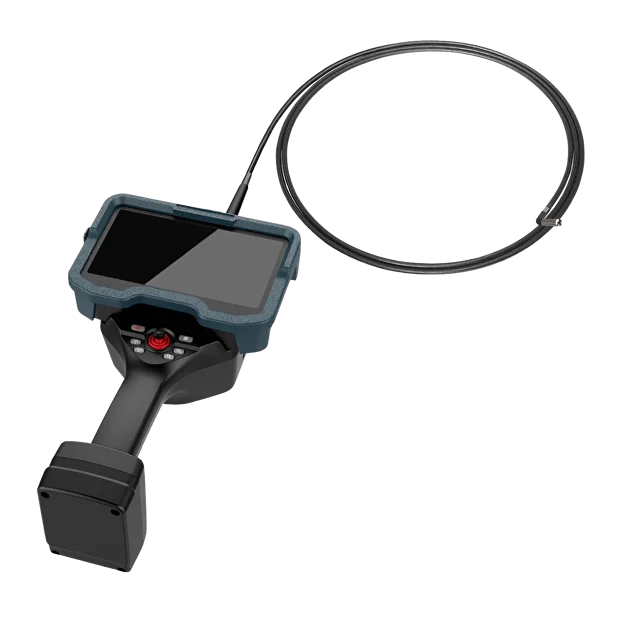
VIDEOSCOPE XT · Explosion-proof borescope

Working length up to 10 m (33 ft); 4, 6, or 8 mm probe options. MIL-STD-810G tested and UL Class I, Division 2 certified.

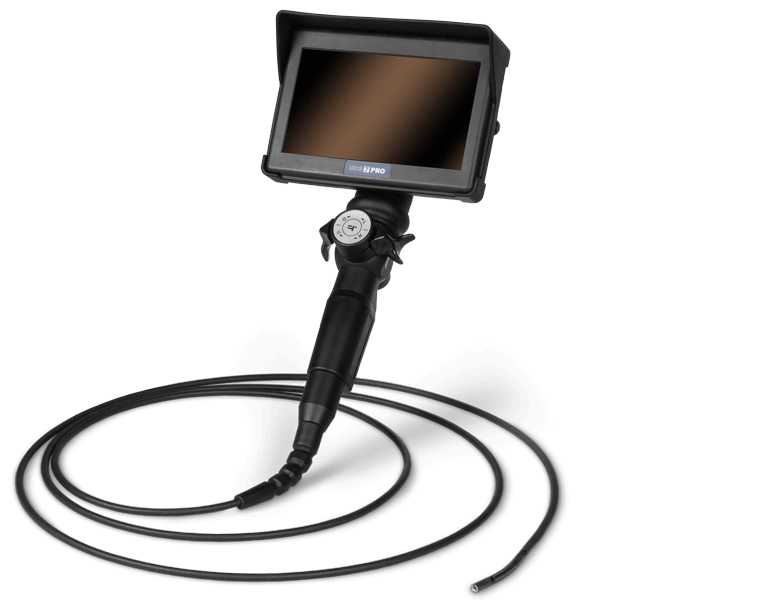
IRIS PRO · Industrial videoscope

Industrial CCD sensor, 7-inch touchscreen, and four-way tip articulation. The specified probe tolerates up to 140 °C for a maximum of 5 minutes.

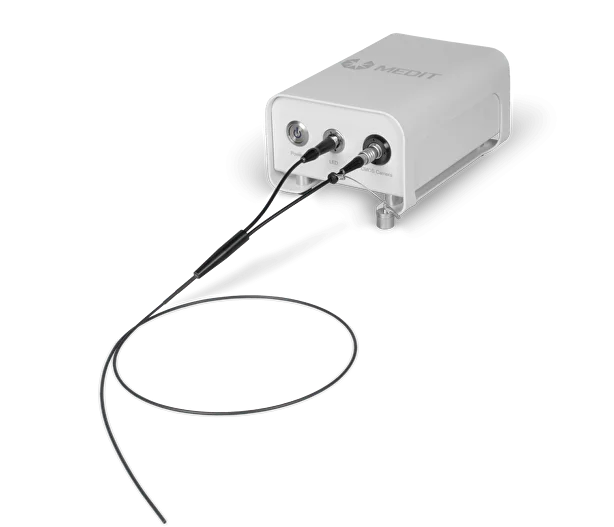
MICRON · USB micro borescope

Probe diameter from 1.0 mm (0.04 in). Standard harness lengths include 1,500 and 2,000 mm; longer configurations are available.

Inspection videos

IRIS PRO Industrial Videoscope | Metal Part Inspection

Digital Micro Borescope MICRON | Small Part Inspection

Choosing the system

Match the videoscope to the aircraft and task.

Start with the inspection point, then compare the equipment against the route and the evidence needed.

01 · ACCESSMeasure the port and choose a probe diameter that can pass through it.
02 · REACHCheck working length and cable handling for the path to the component.
03 · VIEWCompare articulation, field of view, focus, and lighting for the required surface.
04 · RECORDConfirm image and video capture, storage, and the team's reporting workflow.
05 · ENVIRONMENTVerify temperature, water, fuel, oil, and chemical exposure limits for the exact probe.
06 · SPECIAL TASKSConfirm whether measurement or foreign-object retrieval needs a dedicated configuration.
The buying question is practical: What does this inspection need to show, document, or rule out before the team decides what happens next?

Where FIBERSCOPE fits

Choose the configuration, not just the camera.

FIBERSCOPE offers visual inspection options for aviation and helicopter maintenance, from industrial videoscopes to optical and micro borescopes.

Depending on the exact system, options can include high-definition imaging, tip articulation, different probe sizes and lengths, recording, heat-resistant or liquid-resistant probes, and configurations for small access points. Systems with a working channel and compatible tools may support foreign-object retrieval where the application permits.

No single scope fits every aircraft. The useful choice is the instrument that matches the inspection port, the internal route, the environment, the component, and the maintenance evidence required. Explore FIBERSCOPE aviation inspection options.

A better way to think about the tool

A borescope is a decision-support tool.

It gives technicians a view of the hidden area where the next maintenance decision begins.

That view can reduce uncertainty, help avoid unnecessary exploratory teardown, and support documentation of visible conditions. It may reveal an indication that needs closer attention before it becomes a larger maintenance problem.

Aircraft downtime, missed defects, and unnecessary disassembly can all be costly. Clear visual evidence helps the maintenance team decide what to inspect, verify, or repair next, within the aircraft's approved procedures.

FAQ · Aviation inspection

Questions and answers

What is an aviation borescope used for?

An aviation borescope gives technicians a remote view of accessible internal aircraft components, such as engine areas, combustion chambers, compressor stages, gearboxes, and narrow passages. It helps document visible conditions without immediately disassembling the assembly.

What is the difference between a borescope and a videoscope?

A borescope is a general term for an instrument that looks inside an inaccessible area. A videoscope uses an electronic camera and display; depending on the model, it can also capture still images or video for review and documentation.

Which features matter most for aircraft engine inspection?

Start with the inspection-port diameter, working length, viewing direction, image quality, lighting, and whether the tip must articulate. Then confirm recording needs and the exact probe's environmental limits.

Can a videoscope replace aircraft disassembly or other inspection methods?

It can reduce unnecessary exploratory disassembly in suitable cases, but it does not replace an approved maintenance procedure, required testing, or qualified interpretation. A visual image may show a condition that needs further evaluation.

Can an aviation borescope retrieve foreign object debris?

Some specialized systems have a working channel and compatible retrieval accessories. Confirm tool compatibility, access geometry, and the applicable maintenance procedure before attempting retrieval.

Aviation borescope support

See what themaintenance decisiondepends on.

Tell a FIBERSCOPE specialist which aircraft or assembly you are inspecting, the access-port size, reach, environment, and evidence required. They can help compare suitable borescope and videoscope configurations.