Confined-space inspection · remote visual evidence

Tank and vessel inspection cameras.

See inside confined spaces before you send anyone in, open the system, schedule cleaning, or approve repair work.

Tank inspection guidePre-entry planningRemote visual inspection
Tank and vessel remote visual inspection

See before entry

The real condition may be different from the opening.

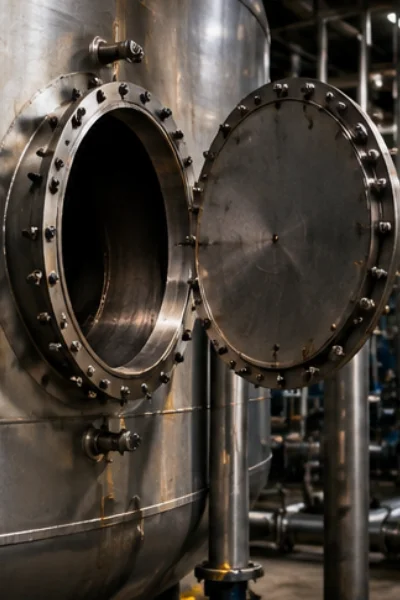
A tank can look clean from the access hatch. A vessel can look sound from the outside. A confined space can appear safe until the inspection actually begins.

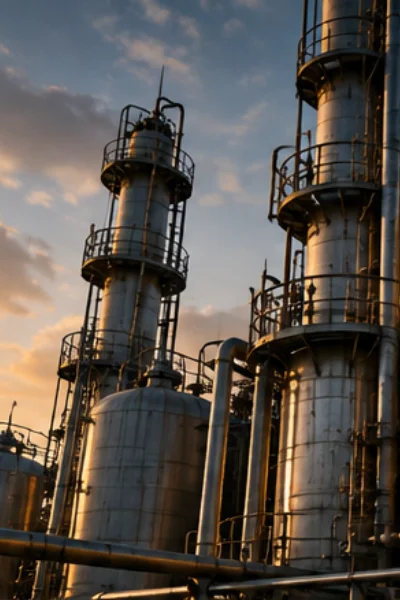
Inside, there may be corrosion, residue, scale, standing liquid, cracks, coating damage, debris, contamination, or an obstruction that cannot be seen from the opening. Tank and vessel inspection cameras give maintenance teams, safety managers, contractors, municipal crews, plant operators, and inspection professionals a way to look inside before committing to entry, disassembly, cleaning, repair, or shutdown work.

The point is not just to capture video. The point is to make a safer, better-informed decision.

What it is

A remote visual inspection tool for enclosed areas.

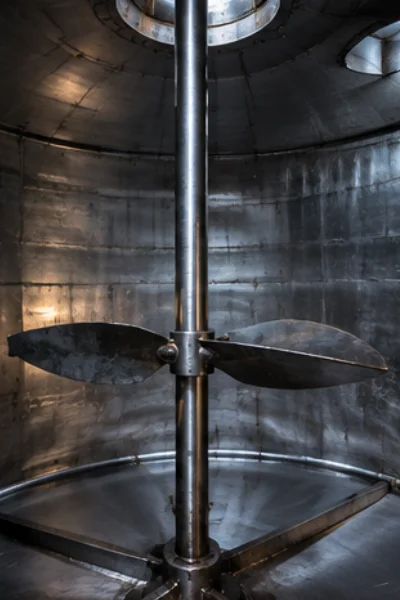
A tank and vessel inspection camera is used to examine areas that cannot be safely or easily viewed by eye.

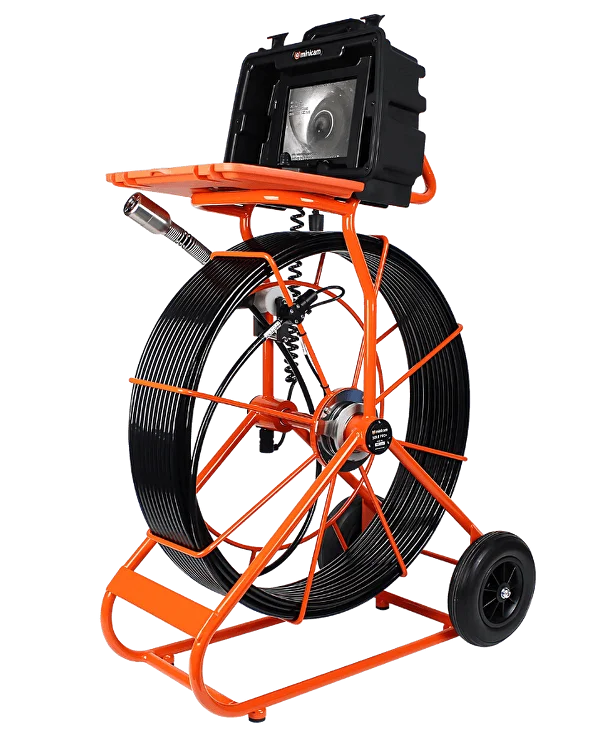
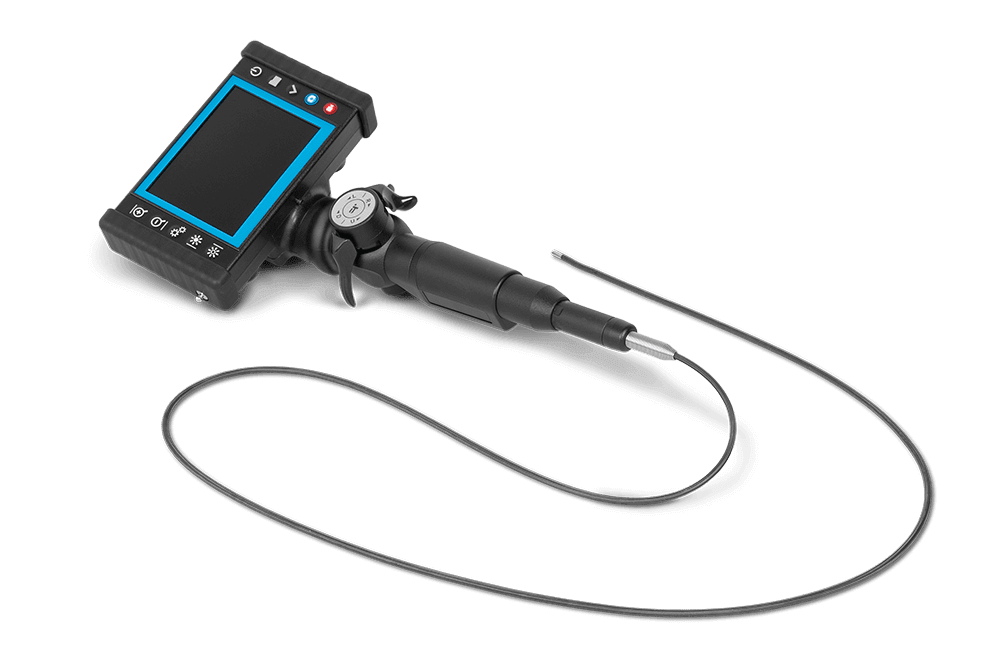
Depending on the application, the system may include a pole-mounted camera, borescope or videoscope, pipe crawler, waterproof camera head, optical zoom, motorized pan, tilt, or articulation, high-output lighting, image and video recording, or hazardous-location certification.

The right camera depends on the tank, stored material, access point, internal distance, atmosphere, and evidence required. A camera for a dry water tank may not be appropriate for a fuel tank. A short borescope may not work for a large vessel. Equipment must match the inspection environment.

Trusted supplier

They trust us as a supplier for their visual inspection work.

What a camera can reveal

Visible conditions that can change the plan.

The camera does not replace every inspection method. It lets the team see what is happening inside before deciding what additional work is needed.

01

Surface condition

Corrosion, pitting, cracks, coating failure, internal damage, and weld irregularities.

02

Residue and buildup

Residue, sediment, sludge, scaling, debris, foreign objects, and contamination.

03

Fluid and blockage

Standing liquid, signs of leakage, blocked outlets, or obstruction in the space.

04

After service

Conditions after cleaning or repair, plus before-and-after evidence for records.

Visual inspection has a specific role. It cannot measure remaining wall thickness alone or replace gas testing, ultrasonic testing, pressure testing, coating standards, or other required procedures.

Applications

From a tank hatch to a utility chamber.

Fuel tank inspection
01 · Fuel tanks

Fuel tank inspection

Inspect corrosion, sludge, contamination, foreign objects, internal damage, and post-cleaning conditions. Confirm hazardous-area requirements first.

Water tank inspection
02 · Water tanks

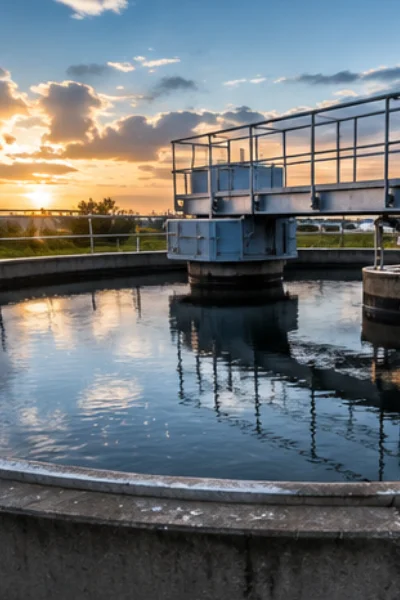
Water tank inspection

Check sediment, biological buildup, corrosion, coating damage, debris, cracks, and structural concerns before cleaning or repair.

Gas and chemical vessel inspection
03 · Vessels

Gas and chemical vessels

Account for hazardous residue, vapors, pressure history, corrosion, coatings, compatibility, and required certification.

Industrial process vessel inspection
04 · Process tanks

Industrial process vessels

Document residue, fittings, welds, baffles, nozzles, and inaccessible surfaces before cleaning, recommissioning, or maintenance.

Vault and chamber inspection
05 · Utility spaces

Vaults and chambers

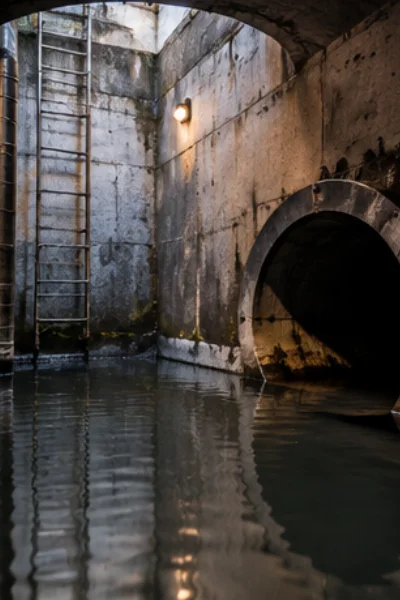
Identify standing water, structural damage, debris, corrosion, blockages, and safety concerns before a worker enters.

Choose for the inspection

The best camera is the one that fits the actual job.

Start with the opening, target distance, movement needed, environment, and documentation requirements—not with resolution alone.

01

Access opening

Measure the hatch, port, nozzle, cleanout, or manway. A camera that cannot pass through the opening cannot perform the inspection.

02

Reach and detail

Large vessels, tankers, vaults, and chambers can require a pole camera, zoom, crawler, or long-reach system. Reach must still produce usable detail.

03

Zoom

Optical zoom is valuable when a far wall, seam, outlet, ladder, weld, or coating area must be evaluated from a safer distance.

04

Directional control

Pan-and-tilt, articulation, or controlled movement helps scan walls, floors, ceilings, seams, fittings, and hard-to-see areas.

05

Wet or hazardous use

Camera, cable, lighting, and connectors must suit washdown, residue, standing liquid, or classified hazardous locations.

06

Documentation

Still images and video support maintenance records, reports, safety planning, estimates, compliance files, and before-and-after comparison.

Choose the camera type

Pole camera, borescope, or pipe crawler?

Pole cameras

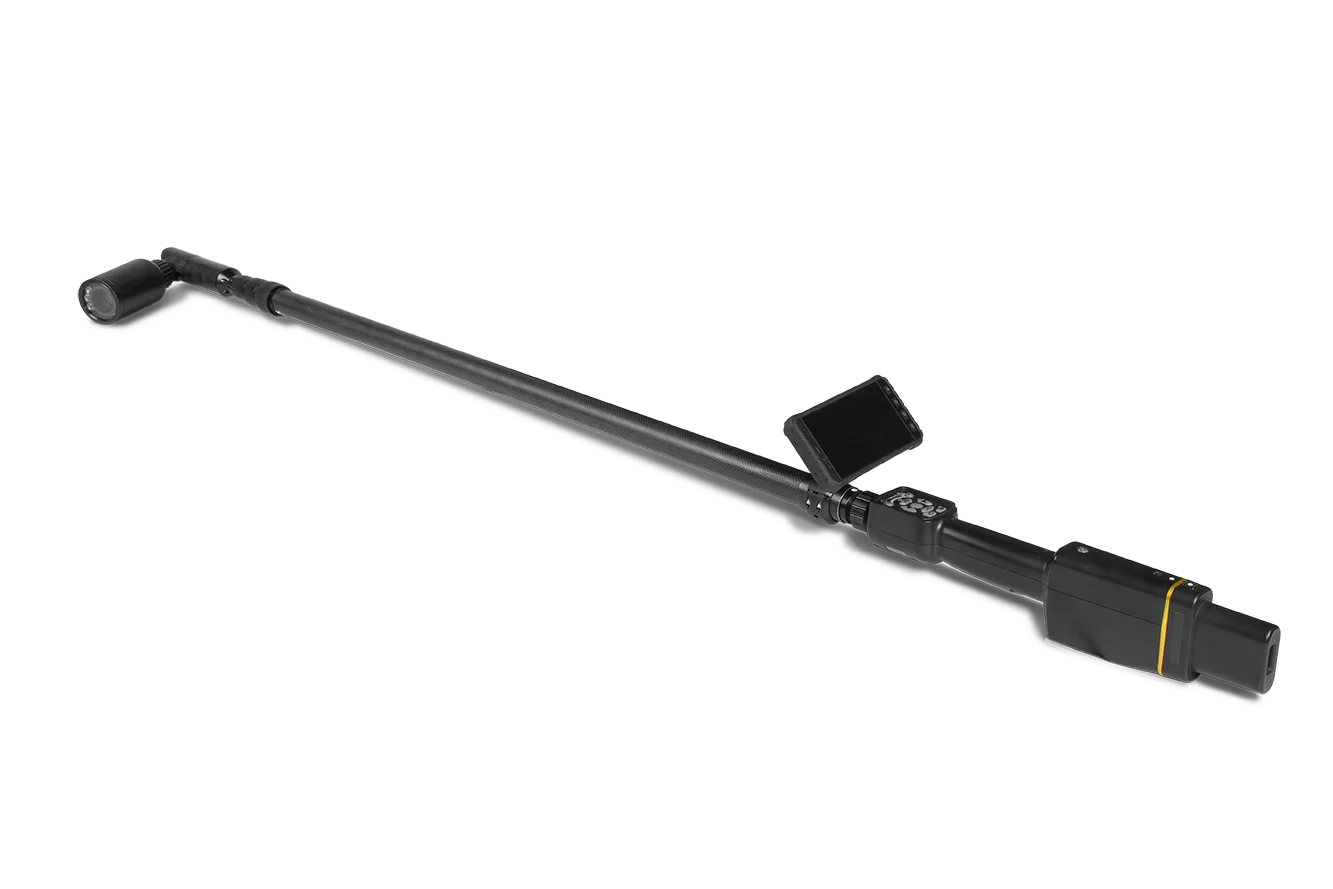
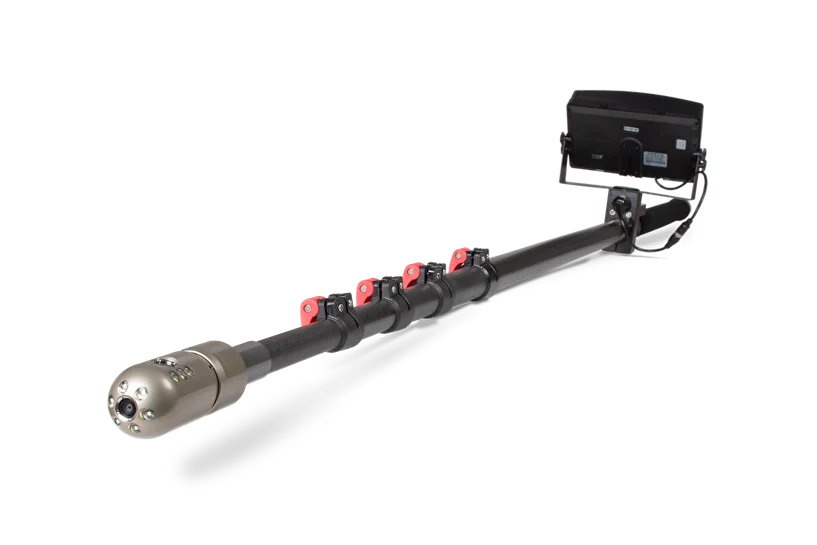
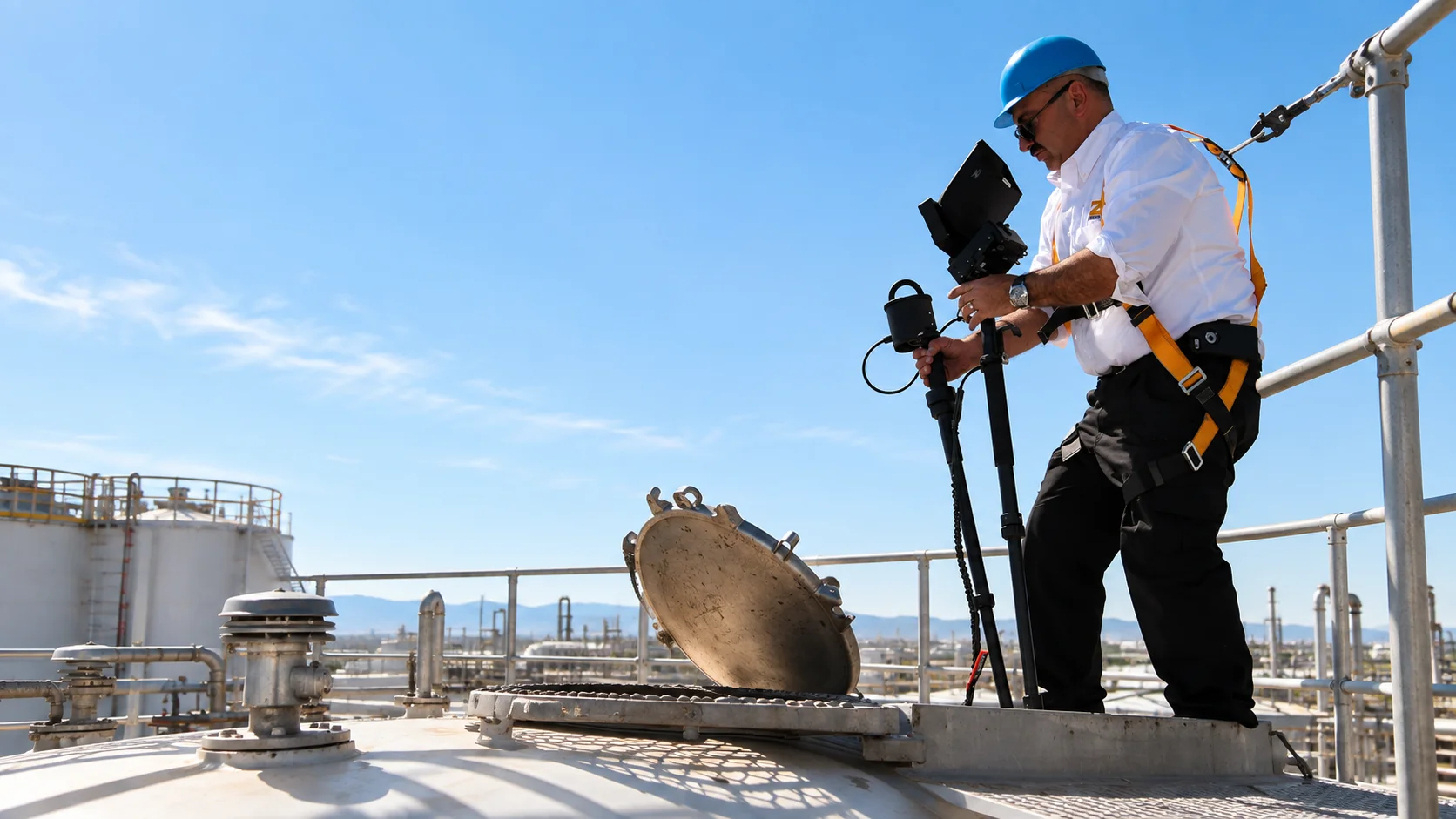
Useful from access hatches, manways, vault openings, tanker hatches, or elevated openings. They support quick visual surveys, pre-entry checks, and wider-space inspection. Zoom and controlled camera movement help inspect walls, floors, ceilings, seams, fittings, and distant objects.

Borescopes and videoscopes

Useful when access is narrow or the target is inside a smaller passage, pipe, tube, nozzle, machinery cavity, or internal component. An articulating borescope can steer toward a specific surface; hazardous environments may require an explosion-proof system.

Pipe crawlers

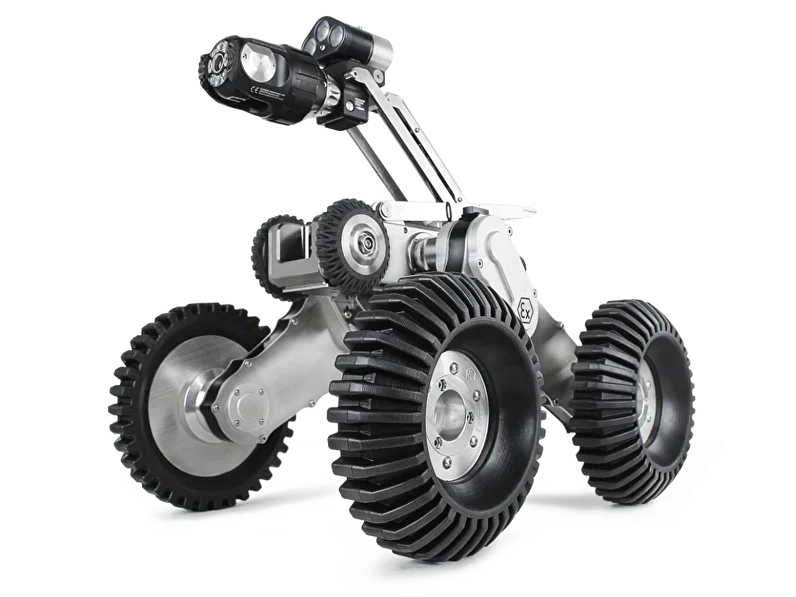
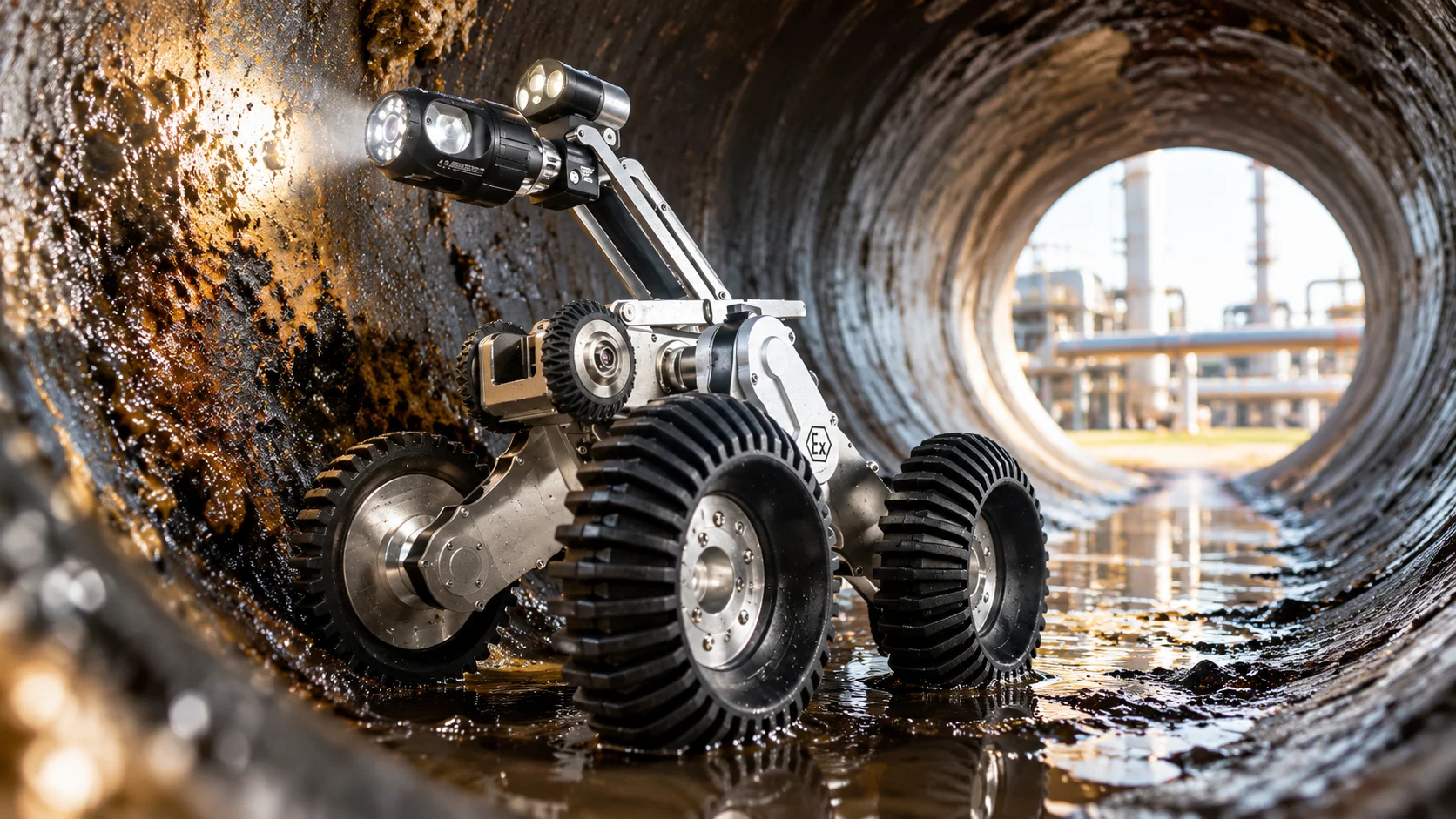
Useful for larger pipes, tunnels, vessels, or long horizontal runs. A crawler gives controlled movement through the space and can be better suited than a handheld probe for distance inspections.

Application guidance

Match the system to reach, view, and safety requirements.

Tank and vessel work can require dramatically different inspection systems. The access point and operating environment determine what will work safely and effectively.

Longer reach and optical zoom

For vaults, pipes, manholes, tanks, and confined spaces, the CYCLOPZ zoom camera can be a useful option where controlled reach and distant detail matter. Fiberscope’s tank and vessel inspection page describes features including an 11-foot pole, built-in articulation, image controls, recording, waterproof camera construction, and 10x optical zoom.

Hazardous-location applications

Fuel tanks, chemical vessels, gas tanks, aircraft tanks, and certain process environments may require certified equipment. Fiberscope’s page identifies the VIDEOSCOPE-XT explosion-proof camera as UL certified for Class I Division 2 hazardous locations, and the PROTEUS ExZ1 explosion-proof pipe crawler as certified for ATEX Zone 1 hazardous locations.

Use the site classification to guide selection. Do not use a standard inspection camera in a hazardous area unless it is approved for that environment.

Planning value

Reduce uncertainty before labor and equipment are committed.

The cost benefit of a tank inspection camera usually comes from better planning—not from the camera alone.

A remote visual inspection can help teams avoid unnecessary entry, reduce exploratory disassembly, plan cleaning more accurately, identify repair areas earlier, and document the condition of the space before committing labor and equipment.

An inspection may show that a tank requires cleaning before repair crews can work safely. It may reveal that a suspected obstruction is not present. Or it may confirm that corrosion is localized rather than spread across the entire vessel. Each result changes the plan.

Inspection practice

Better results come from a deliberate process.

A camera inspection is most useful when it answers a defined question and records the context of each key finding.

01

Define the objective

Decide whether you are checking cleanliness, corrosion, repair work, coatings, debris, or pre-entry conditions.

02

Confirm the route

Measure the access point and identify whether the space is wet, dirty, hazardous, or physically obstructed.

03

Use light carefully

Reflective metal, wet surfaces, and light-colored residue can wash out an image when illumination is too strong.

04

Move and record slowly

Use a consistent pattern: access point, bottom, walls, seams, fittings, outlet areas, upper surfaces, and final overview.

Capture context with every important image. Record location, depth, direction, and the component being inspected. That makes the finding useful for review and reporting.
Explosion-proof borescope

VIDEOSCOPE-XT

Working length up to 10 m, 4–8 mm diameter options, MIL-STD-810G tested, UL certified.

Zoom inspection camera

CYCLOPZ PTZx

Optical zoom with additional digital zoom, manual focus, and waterproof construction.

Inspection pole camera

CYCLOPZ HD Zoom

Built-in articulation, 10x optical zoom, and extra-bright white LEDs.

When a camera is not enough

Remote visual inspection is part of a complete strategy.

A camera can reveal visible conditions, but it cannot answer every technical question.

It may show corrosion, but additional testing may be needed to measure wall thickness. It may show coating damage, but a qualified method may be needed to evaluate it. It may show residue, but laboratory testing may be required to identify contamination. It may show a crack-like indication, but nondestructive testing may be needed to confirm it.

That does not reduce the value of the camera. It clarifies its role: help teams see, document, and decide what should happen next.

Questions and answers

Hazardous-area inspection equipment FAQ.

What is the difference between intrinsically safe (Ex i) and explosion-proof / flameproof (Ex d) pipe inspection equipment?

Both protection concepts can be used in Zone 1 when the complete equipment approval, gas group, temperature class, installation, and site conditions match the location. Ex i limits electrical and thermal energy so an ignition-capable spark or temperature is not produced under specified fault conditions. Ex d contains an internal ignition within an enclosure designed to prevent flame transmission to the surrounding atmosphere. The choice is application-specific: verify the complete marking and approval with the site’s hazardous-area requirements.

What is the closest U.S. classification to ATEX Zone 1?

Class I, Zone 1 addresses flammable gas or vapour hazards in the U.S. zone system. Class I, Division 1 is commonly treated as a broadly comparable North American classification, but it is not a substitute for reviewing the exact site classification, gas group, temperature class, and equipment approval.

Do operators need training to deploy an explosion-protected crawler?

There is no universal standalone “crawler operator license.” However, the employer and site must ensure that the people selecting, installing, operating, and maintaining equipment in hazardous locations are competent and follow the applicable site permit, training, and safety procedures. Confined-space, gas-testing, and customer-specific requirements may also apply.

How often should a portable Zone 1 crawler be inspected?

Inspection and maintenance are life-cycle duties. The program should follow the manufacturer’s instructions, the installation’s risk assessment, and the applicable inspection standard. Perform a pre-use visual check and have the equipment examined at intervals set by the site’s Ex maintenance program and qualified personnel; harsh service or damage can justify more frequent inspection.

Can any repair facility service ATEX Zone 1 equipment?

Repairs or modifications that affect explosion protection should follow the manufacturer’s instructions and the applicable Ex repair requirements, such as IEC 60079-19. Use an appropriately qualified Ex service organization for work that could affect the protection concept; unauthorized alterations can compromise approval, safe use, and warranty coverage.

Tank and vessel inspection support

See inside before you commit to entry.

A FIBERSCOPE technical specialist can help match the right tank or vessel inspection camera to your access opening, working distance, environment, safety requirements, and reporting needs.

Leave a request
Tank and vessel inspection camera