


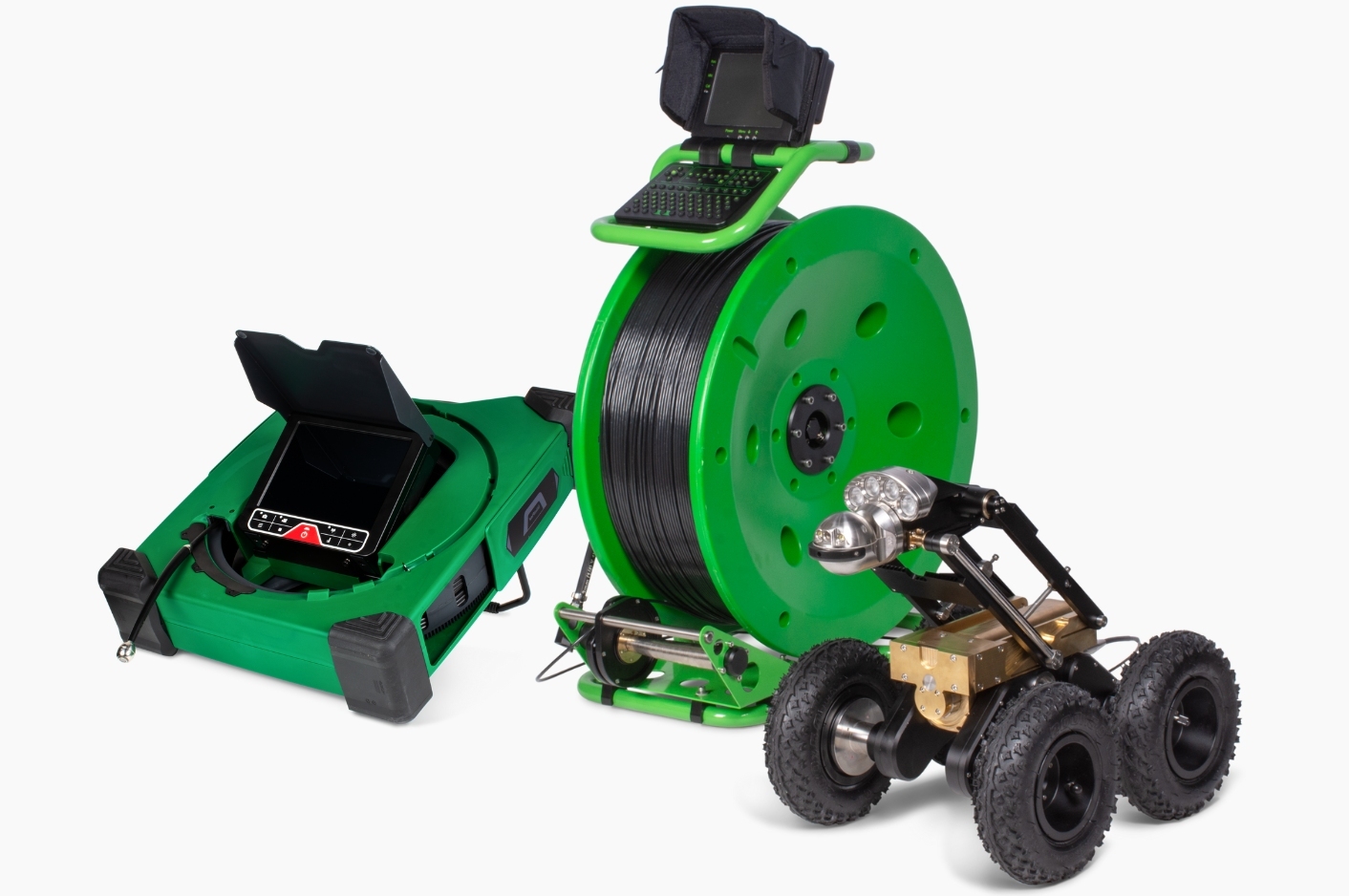
Pipe inspections require a wide variety of gear, including sewer and drain cameras, pipe crawlers, pole-mounted manhole cameras, and many more. Generally, these devices come in two categories: commercial grade, durable units with features to get the most out of your inspections, and affordable, easy to use all-in-one systems.
Pipe and sewer cameras



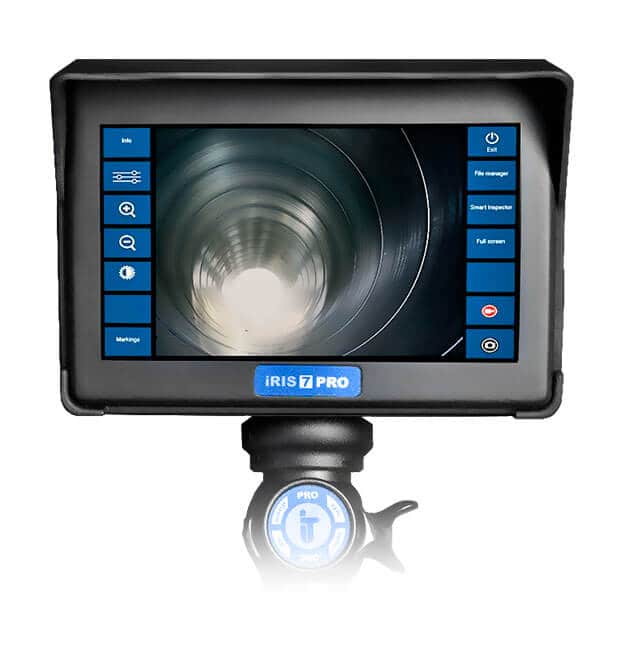
Borescope
cameras
We sell a thoroughly selected range of borescope cameras for a variety of inspection applications. These advanced systems are versatile giving you the most control when performing inspections with different lengths, diameters, and features including articulation, and documentation.
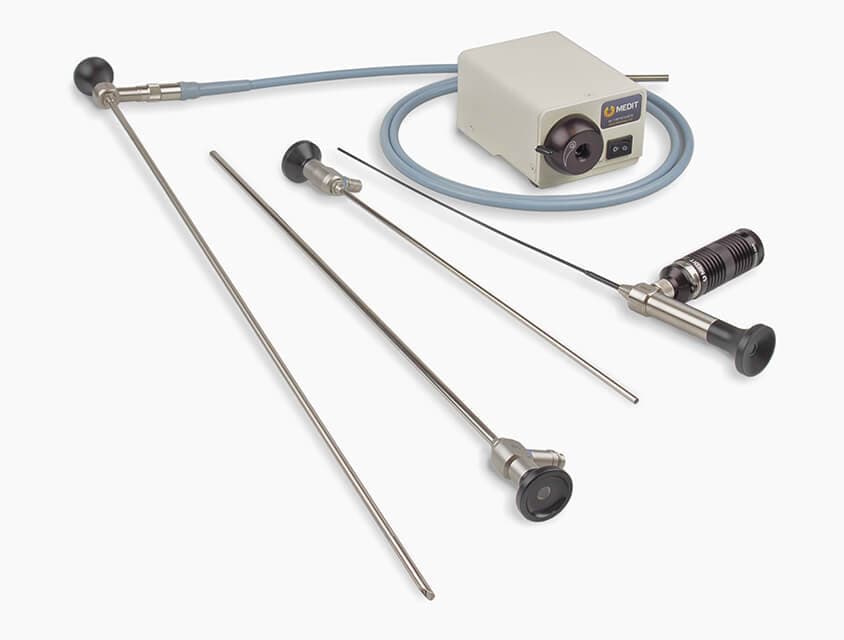
Borescopes
The Optical and Digital Borescopes we sell are high-quality precision instruments that can be used for many applications, including quality control, and the inspection of metal casting, engines, turbines, and more.
Our Features
- The Professional's Source Since 2002
- World Wide
Shipping - In-house Service
and Support - Product
Customization
Need specific inspection gear to match your requirements? Spend a few minutes with our technical sales specialists: their years of experience finding solutions can help you find the most efficient inspection tool to achieve the results you want, for the budget you need.
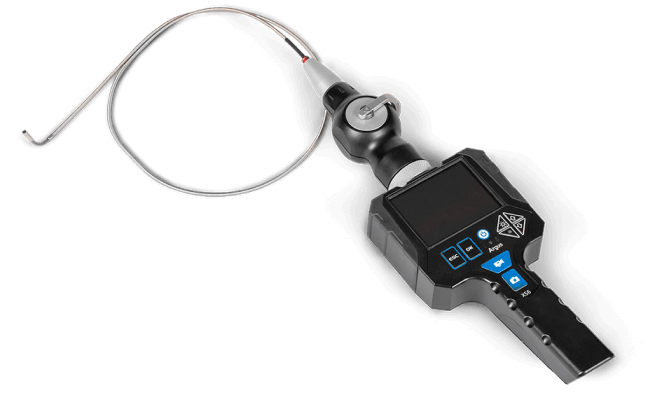
Featured Products
Reviews
VINCE CORBIN
« With the awesome help from the fiberscope.net service, they provided us with the best option for our application. I highly suggest talking to these guys before ordering or renting because they really know each scopes capability. The Drain Scope arrived on time and ready to go. Truly a huge help in an area where we couldn't even use thermal testing
GHEORGHE IONESCU
« Excellent price value, good competition for established, big, expensive companies. Good communication and service, super fast delivery
EDWARD REEDTZ
« We are working mostly in pollution legacy, hydrogeology and foundation ground. We are happy with the camera we received last week and use it to check boreholes implementations and control the quality of the survey points
Top Rental Categories
About Us
Fiberscope.net is a North American-based one-stop resource of inspection cameras for various applications.
It's operated by the MEDIT/STRAHL group of companies with its head office located in Winnipeg, Manitoba, Canada, and the US operating branch in Woburn, Massachusetts.
We have been in the industry since 2002 and serve a growing network of worldwide customers. As a manufacturer and official dealer for a wide range of borescopes, videoscopes, and pipe cameras, we ensure minimal downtime, maximum service life, and ongoing safe operation.
Fiberscope.net strives to provide professionals with the best products to meet their remote visual inspection needs, from NDT inspections of aircraft turbines to underground pipe inspections, security control, and RND applications.
Our technical sales team, who are available to chat online, by phone, or via email, will ensure that the scope you need will get to you as quickly as possible and help you with any concerns or questions you may have.
It's operated by the MEDIT/STRAHL group of companies with its head office located in Winnipeg, Manitoba, Canada, and the US operating branch in Woburn, Massachusetts.
We have been in the industry since 2002 and serve a growing network of worldwide customers. As a manufacturer and official dealer for a wide range of borescopes, videoscopes, and pipe cameras, we ensure minimal downtime, maximum service life, and ongoing safe operation.
Fiberscope.net strives to provide professionals with the best products to meet their remote visual inspection needs, from NDT inspections of aircraft turbines to underground pipe inspections, security control, and RND applications.
Our technical sales team, who are available to chat online, by phone, or via email, will ensure that the scope you need will get to you as quickly as possible and help you with any concerns or questions you may have.
Location
CANADA
MEDIT INC, 1-1599 Dugald Rd
Winnipeg, MB R2J 0H3, Canada
MEDIT INC, 1-1599 Dugald Rd
Winnipeg, MB R2J 0H3, Canada
USA
STRAHL LLC, 76 Winn St., Suite 2B
Woburn, MA 01801, USA
STRAHL LLC, 76 Winn St., Suite 2B
Woburn, MA 01801, USA